Flavours to expect
Peruvian coffees here include chocolatey washed lots, sweet honey-process coffees and fruity naturals. Some lighter lots have floral or stone-fruit notes.
Coffee Origin
Compare 29 current Peru specialty coffees from independent UK roasters by process, tasting notes and price.
A few tips
Use price per 100g to compare different bag sizes. Tasting notes are the roaster’s descriptions, not a guarantee. Check prices and stock on the roaster’s site before buying.
Peruvian coffees here include chocolatey washed lots, sweet honey-process coffees and fruity naturals. Some lighter lots have floral or stone-fruit notes.
Look for washed or honey-process coffees if you like caramel and chocolate. Check the natural and Gesha lots for fruit and floral notes.
Check the recommended brew method and roast level. Start with the roaster’s recipe, especially for very light roasts.
Compare producer, variety and process. A washed regional blend and a small Gesha lot are likely to taste quite different.
Sorted with featured coffees first.
Showing 24 of 29 coffees

Peru — Mikan Grown in the high-altitude areas around Jaén, this coffee benefits from a humid high-jungle climate, rich volcanic soils and plenty of tropical rainfall. Ripe cherries are hand-picked and processed on the smallholder producers’ individual farms using hand-pulping machines, before being fermented in tanks and dried on patios or raised beds. Once processed all lots are sent to Falcon’s production facility, Mikan, in Jaén. The washed process keeps things clean and balanced, highlighting the Tabi variety’s characteristic sweetness, citrus acidity and smooth body. Expect orange and vanilla, with a sticky sweetness that carries through the cup.

A washed Peruvian coffee from the remote village of Lauca in Masma, Junin, grown by Samuel Munoz and Raul Ames with cacao, blackcurrant yoghurt, and Parma violet character.

A washed SL-09 from Tres Cedros in Peru, combining layered sweet fruit with complex floral aromatics and the elegance of this rare varietal.

An organic washed coffee from San Ignacio in Peru's Cajamarca department, grown by small-scale farmers in high mountain conditions. Catimor, Pache, and Typica varieties give it a sweet, full-bodied profile.
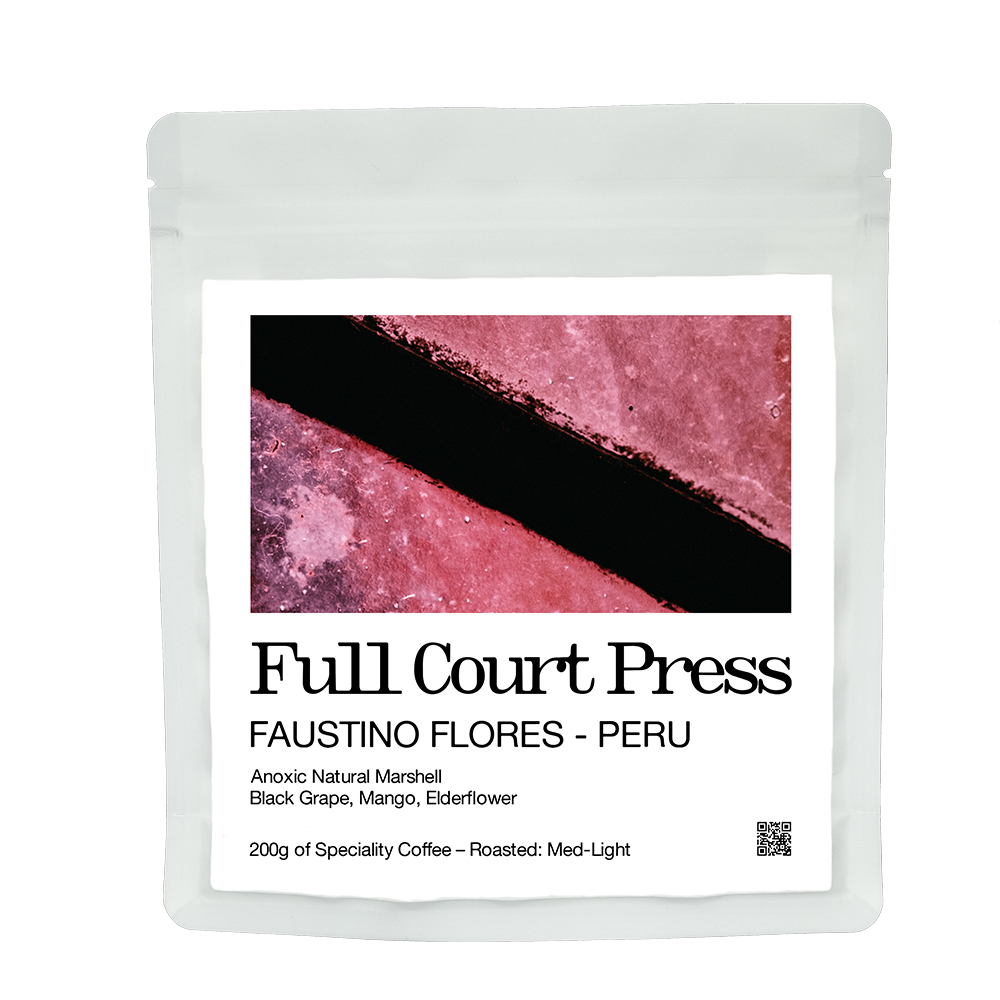
An anoxic natural filter roast from Peru with black grape depth, mango sweetness, and a delicate elderflower lift.
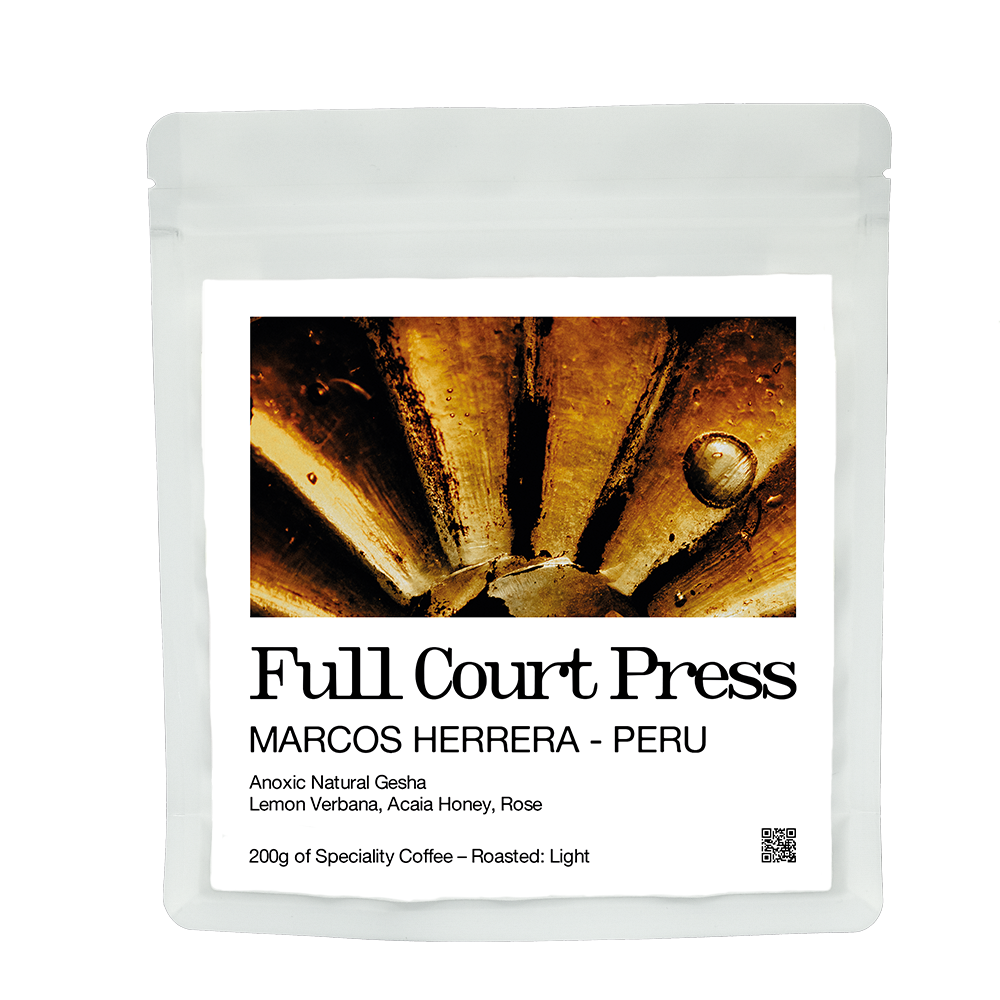
Peru - Anoxic Natural Filter Roast Coffee Lemon Verbena, Acacia Honey, Rose
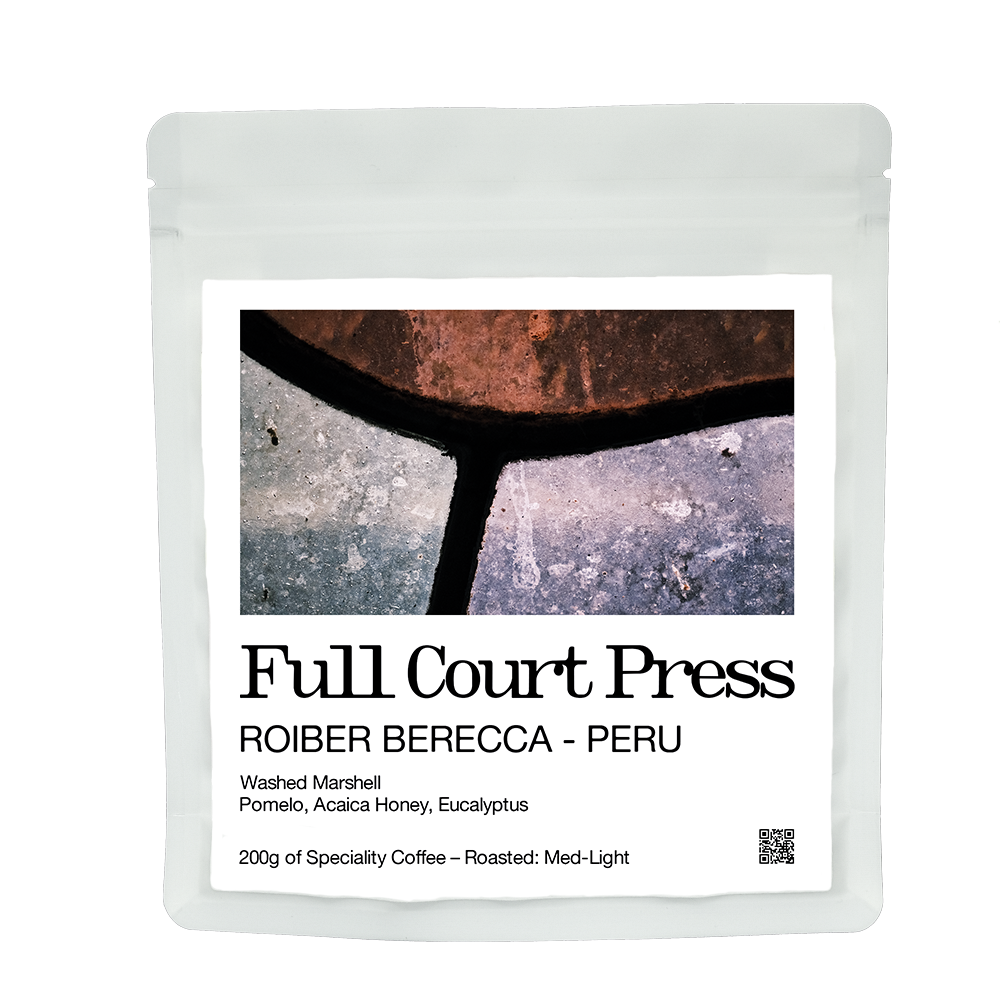
Peru - Washed Filter Roast Coffee Pomelo, Acacia Honey, Eucalyptus
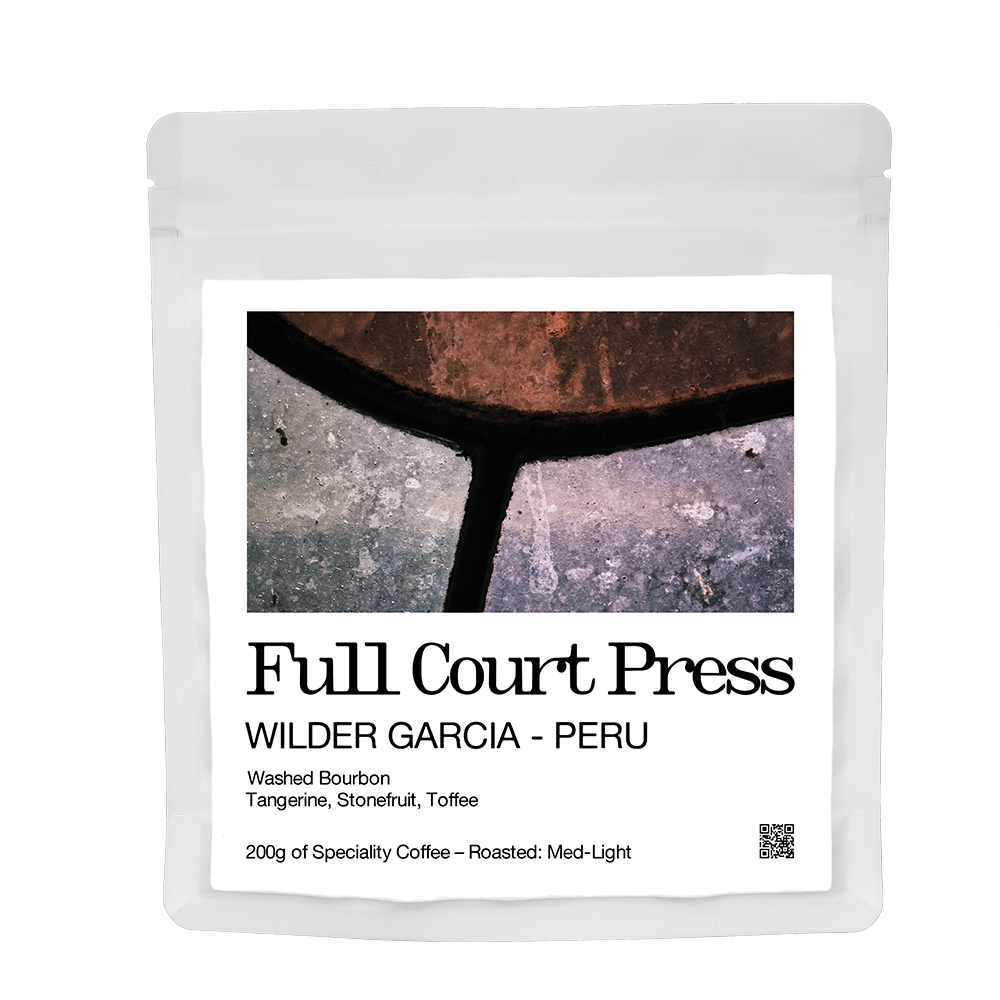
A washed Bourbon from Peru roasted for filter, bringing tangerine brightness, stonefruit sweetness, and toffee depth.

A washed Peruvian coffee from the women of Cafe Femenino, roasted for espresso or filter. Chocolate, blackberry and maple syrup notes give it a smooth, syrupy sweetness that works black or with milk.

A washed Peruvian coffee from Hard Lines, created with Size of Wales to spotlight the Wampis Nation campaign.

A washed organic single origin currently centred on Cajamarca, Peru, with milk chocolate, cookies and cream, and caramel notes.

FARM : Finca Artemira REGION : San Ignacio, Cajamarca ALTITUDE : 1,700 - 1,900 MASL VARIETAL : Tabi PROCESS : Washed FLAVOUR NOTES : Caramel, Plum, Orange Ebert Huaman Villegas is part of a new generation of Peruvian coffee producers helping to shape the future of specialty coffee in Cajamarca. Based in the village of Salinas, within San José de Lourdes, Ebert has quickly gained recognition for both his coffee quality and technical expertise, placing 6th at Expo Cajamarca in 2022 and 18th in Peru's Cup of Excellence in 2023. Together with his family, Ebert manages Finca Artemira, a farm named after his mother that has been cultivating coffee for more than forty years. Under his leadership, the farm has expanded while embracing regenerative agriculture through agroforestry systems, varietal diversity and ongoing experimentation with cultivation and processing. For this lot, ripe cherries were first soaked in water before undergoing a 24-hour anaerobic fermentation in sealed GrainPro bags. After pulping, the coffee was fermented for a further 36 hours before being washed and dried in solar dryers for between 12 and 21 days. The result is a coffee that reflects both the region's potential and Ebert's commitment to quality, precision and continuous improvement.

A black honey Red Catuai from Gregorio Espinoza at Finca Voller in Pasco, Peru. Red apple, citrus, and dark chocolate notes give it a sweet, structured cup.

A natural Ethiopian espresso blend from Bench Maji, roasted for a deeper profile of dark chocolate, caramel, and walnut.

Some coffees demand your attention. This one simply gets on with being enjoyable. Sweet, balanced and comforting, this regional blend from northern Peru brings together notes of rooibos tea, red plum and brown sugar. The sort of coffee that quietly earns a place in your favourite mug.
A washed organic single origin currently centred on Cajamarca, Peru, with milk chocolate, cookies and cream, and caramel notes.

Our final release from Peru this year is a certified banger. This washed Gesha has undergone an anoxic ferment that’s pushed the fruit to the max. Expect florals like cherry blossom and jasmine, juicy Pink Lady apple, and a warmth reminiscent of Bakewell tart.

Los Amigos is a washed Peruvian coffee with the comforting sweetness of milk chocolate and peanut, lifted by a bright note of lime. It’s an easy coffee to come back to, with a little citrus that makes it stand out. Grown in Cajamarca, northern Peru, at 1,350–1,890 metres above sea level, this coffee comes from members of Cooperativa Agraria Frontera San Ignacio. Los Amigos means “the friends”: as the El Oso project grew, more farmers from the wider cooperative joined its work around the Tabaconas Namballe National Sanctuary. The farms sit in the buffer zone of this protected area, home to spectacled bears and other native wildlife. The project supports forest protection alongside coffee production, supplying native trees for planting near coffee farms. Farmers have also received solar drying tents and fermentation drums to help improve coffee processing, as well as support to turn discarded coffee cherry into compost. Bringing more farmers into the project creates more opportunities for training and extends the reach of its conservation work.

Coffee is all about relationships, so we’re excited to showcase this lot, which marks the beginning of a new relationship with Chacra Coffee, a Peruvian specialty coffee exporter. This lovely Geisha lot from Miguel Lopez is a great example of his simple, quality-focused approach, which is refreshingly evident here.

It’s bright, silky and sweet, with notes of apple, black tea and blackberry jam. A super easy-drinking coffee.

This incredible coffee is the result of one of our buying policies: We order at least one sack of any coffee we taste that scores over 88 points. This one got our attention on the cupping table as a complex yet full-bodied Gesha with that profile we love from Peru, a marriage of silky milk chocolate and white florals. Additional notes of honeyed biscuit layer with hazelnut praline and sweet ripe raspberry make it a complete delight! It's also an example of beautiful coffee coming from an environmentally conscious farm. We've been keen to work with Mark at Khipu Importing for a while now, as his approach to sourcing is refreshingly direct and intentional. He regularly visits and works with small impact-focused individual farmers (like Roiber Becerra) as well as small cooperatives. A little more about the farmer from Khipu: Roiber Becerra is a young, up-and-coming coffee producer working near the village of Nuevo Belen in Utcubamba, Peru. Roiber focuses on the quality of his farm, the soil, and the pre- and post-harvest techniques that lead to the best coffee he can produce. He is currently installing an agroforestry system across his farm and dedicating much of his land to cultivating Gesha. The fermentation for Roiber's coffee is done according to the weather – if it’s a little rainy, fermentation takes 75-76 hours, and if it’s sunny 68-72 hours. This first step is done in timbos (plastic tubs) sealed without oxygen. After fermentation, the cherries are taken to solar dryers where they dry for a minimum of 30 days. During this period they are constantly monitored and moved to different levels within the solar dryer according to moisture levels. The coffee finishes drying once a 11-11.5% moisture level is reached. Roiber and his family want roasters and coffee drinkers to taste the intricacies of their craft and the dedication they have to every aspect of coffee production. They plan to grow their farm, and especially their volumes of Gesha, in the coming years. Elevation: 1900 Meters above Sea Level Varietal: Gesha Cup score: 90 Price paid per kg: £25 Process: Anaerobic Natural

Cajamarca, Peru – Natural Etíope 47 An exceptional microlot of Ethiopian heirloom, naturally processed with remarkable precision by the talented Eli Espinoza in the highlands of Cajamarca. What to expect in the cup Red Grape · Nashi Pear · HoneysuckleSweet and beautifully balanced, with crisp, juicy acidity, a refreshing fruit character, and delicate honeysuckle aromatics.

A dry anaerobic washed Geisha Inca SL9 from La Lucuma in Cajamarca, Peru, produced by Franco Huaches. Nectarine, white grape and magnolia notes make this a crisp, highly aromatic cup with vivid stone-fruit sweetness.

An extremely light honey processed Geisha from Mi Reyna in Peru, grown at 1650 MASL with a focused dried pineapple profile.
These links switch to another browse view. The matching coffees for this page are shown above.