Flavours to expect
Taith specialises in light and very light roasts, often with berry, citrus, floral or wine-like notes. The range includes Geisha and other small lots.
Coffee Roaster
Compare 21 current coffees from Taith Coffee by origin, process, tasting notes and price.
A few tips
Use price per 100g to compare different bag sizes. Tasting notes are the roaster’s descriptions, not a guarantee. Check prices and stock on the roaster’s site before buying.
Taith specialises in light and very light roasts, often with berry, citrus, floral or wine-like notes. The range includes Geisha and other small lots.
Try Taith if you like bright or unusual coffees rather than dark espresso. Check the weight carefully: some releases come in 50g or 100g bags.
Start with filter for the very light roasts. If brewing espresso, follow Taith’s guidance and expect more acidity than in a traditional dark roast.
Compare roast level, variety and processing details. Check whether a small bag gives you enough coffee to dial in your chosen brewer.
Sorted with featured coffees first.
Showing 21 of 21 coffees
Producer - Bambito Estate Origin - Panama Process - Washed Varietal - Caturra Catuai Altitude - 1,650 to 1,800 MASL Flavour Notes - soft floral, lemon, orange, jasmine, caramel roast level: Very Light
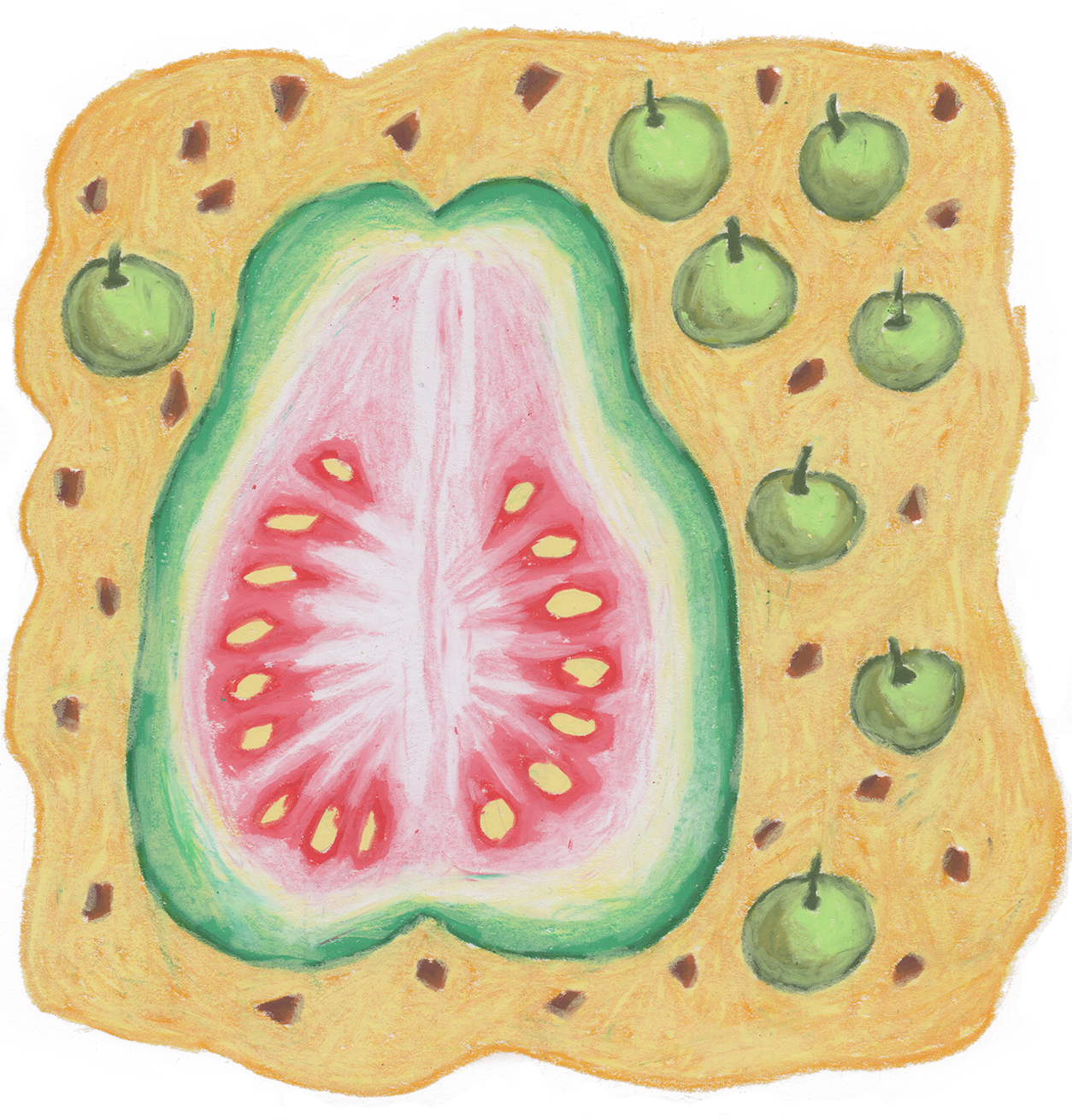
Producer - CGLE Origin - Colombia Process - Natural Varietal - Java Altitude - 1450-1627 MASL Flavour Notes - Guava, Green Grapes, Brown Sugar roast level: Light FARM CGLE La Esperanza Farm is a specialty coffee farm in Trujillo, Valle del Cauca, Colombia, operated by Café Granja La Esperanza. The farm grows several distinctive coffee varieties, including Geisha and Java, at elevations around 1,430–1,760 metres. CGLE is known for experimenting with coffee varieties, cultivation and processing methods to produce high-quality, complex coffees. Its focus on innovation, sustainability and flavour has helped establish La Esperanza as a respected name in specialty coffee. PROCESS At the farm, coffee cherries are carefully handpicked at peak ripeness before being immersed in water to remove lighter beans and ensure consistent quality. Their sugar content is then measured using Brix degrees, marking the beginning of the fermentation process. The selected coffee beans ferment in open tanks for 48 hours, allowing distinctive and complex flavour characteristics to develop. Following fermentation, the coffee is dried in mechanical silos for 8–12 days at a controlled temperature of 38°C. Once dried, the coffee is stored in climate-controlled warehouses at 18–19°C, preserving its freshness, quality and vibrant flavour profile.
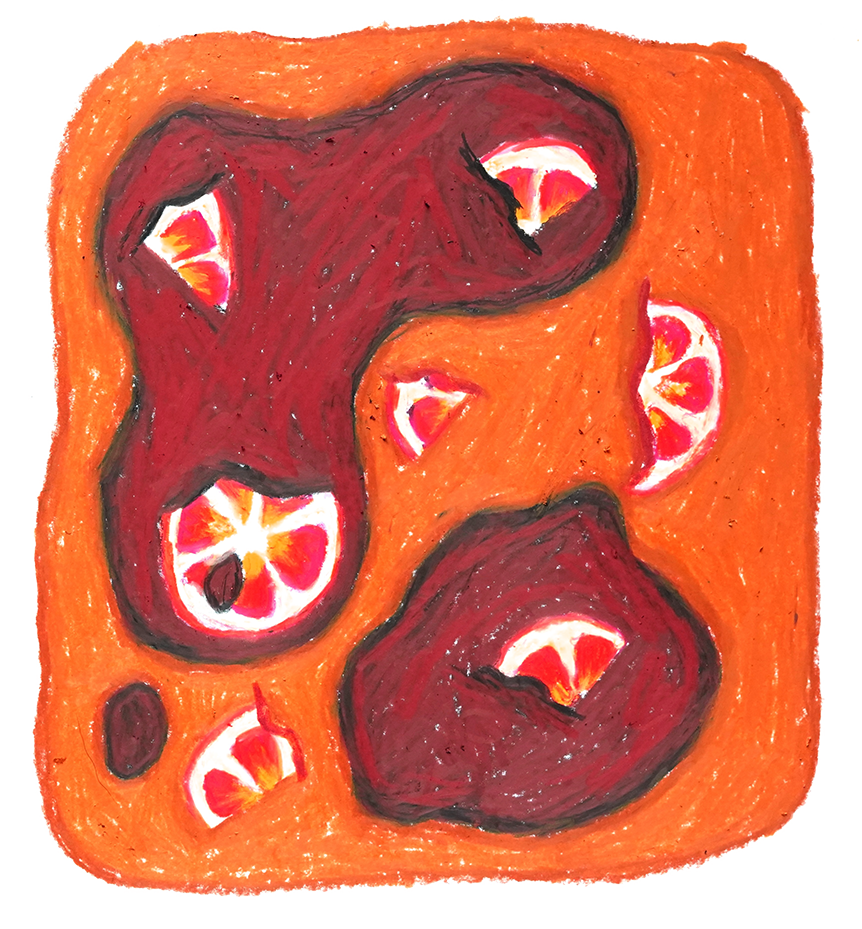
Producer - CGLE Potosi Origin - Colombia Process - Natural Varietal - Mandela Altitude - 1420- 1660 MASL Flavour Notes - Orange liqueur, rich chocolate, whisky roast level: Very Light FARM Potosi, the farm that began Café Granja la Esperanza’s story, sits across the misty valley from Las Margaritas and handles dry milling for both farms. It is the origin of the Tres Dragones legend, linked to three mechanical dryers. In 2018, a spark from one dryer caused a fire that destroyed the house, although nobody was hurt. Today, the 74-hectare farm includes 22 hectares of forest and 52 hectares of coffee. Potosi grows Bourbon, Mandela, Colombia, Caturra, Castillo, CGLE17, Tabi, Yirgacheffe, and SL34. The farm also conducts Geisha breeding trials and field-tests new varieties before larger-scale production. PROCESS The cherries are carefully picked at their optimal level of ripeness before undergoing flotation to remove less dense fruit. Brix levels are then measured to assess sweetness and quality. Next, the cherries are fermented in open tanks for 48 hours, encouraging the development of strong and complex flavours. Following fermentation, the cherries are dried in mechanical dryers for 8 to 12 days at a controlled temperature of 38°C. Once fully dried, the coffee is transferred to climate-controlled warehouses maintained between 18°C and 19°C. This controlled storage environment helps preserve the coffee’s distinctive characteristics, quality, sweetness, and developed flavour profile.
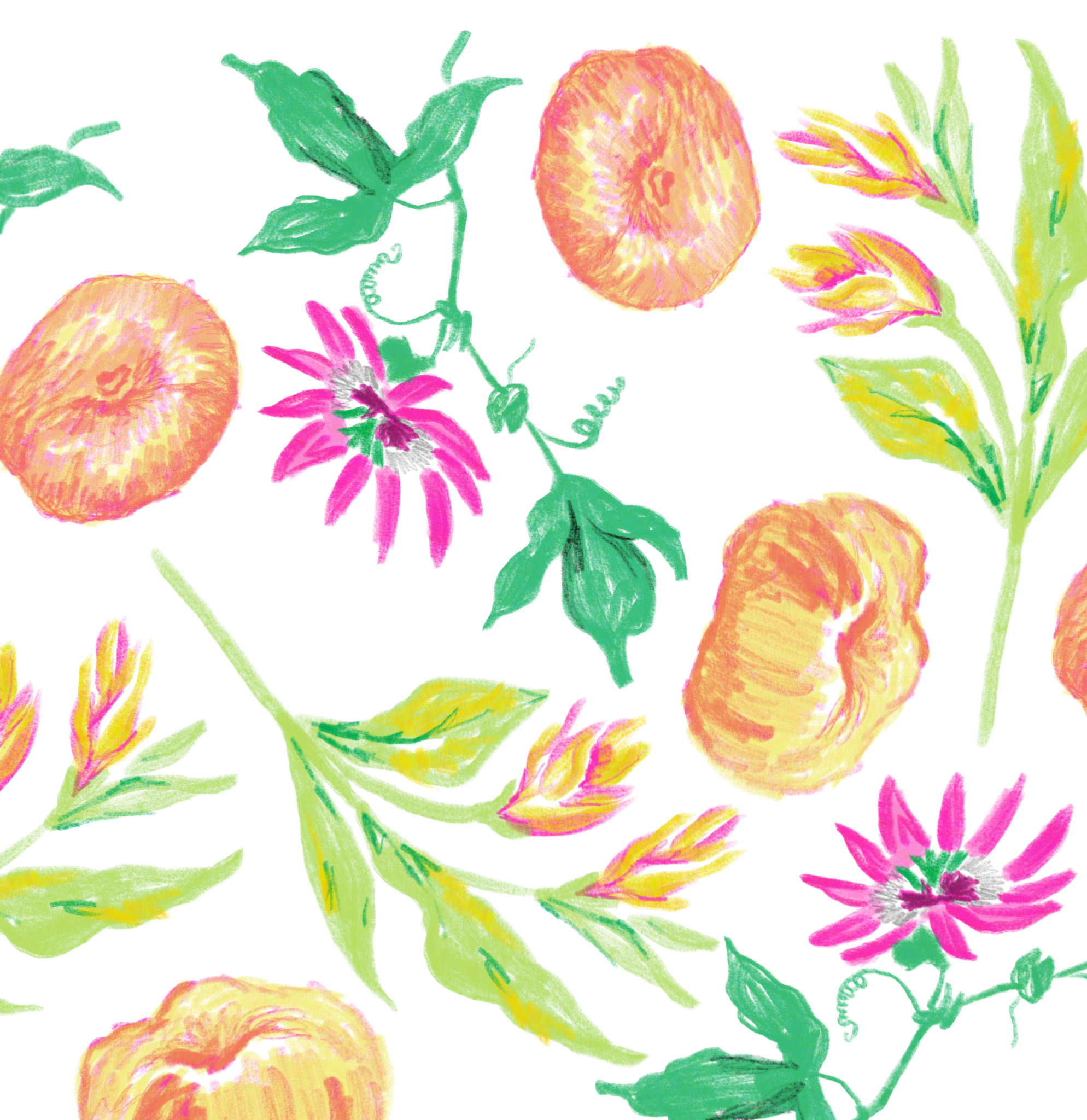
Farm - El Mango Origin - Honduras Process - Washed Varietal - SL-28 Altitude - 1600=1640 MASL Flavour Notes - Peach, Passionflower, Ginger Lily roast level: Ultra Light FARM El Mango is a family-run farm in Santa Bárbara, Honduras, built over years by Evin Joel Moreno Reyes and Alma Aydee Pineda Alvarado. Their journey began with a single plot, gradually expanding as their focus on quality and competition coffees developed. Today, the farm grows distinctive varieties including Geisha and SL28. El Mango has become a regular presence in Honduras’ Cup of Excellence: Alma placed second in 2024 with a washed SL28, while the farm returned in 2026 to take fifth place in the Exotic category. It is a remarkable story of persistence, family and an increasingly precise approach to exceptional coffee. PROCESS The cherries are carefully selected at peak ripeness before being depulped and fermented to break down the remaining mucilage. The coffee is then thoroughly washed and slowly dried to preserve clarity and structure. The result is a clean, precise cup profile that foregrounds the variety, sweetness and character of El Mango.
Producer - Saenchai Jupo Origin - Thailand Process - Honey Varietal - Geisha Altitude - 1200 MASL Flavour Notes - Fudge, Stonefruit, Blackberry roast level: Ultra Light FARM Located in Chiang Mai, northern Thailand, Saenchai Estate is the home of this exceptional coffee, produced by Saenchai Jupo. Set within the mountainous landscapes of northern Thailand, the farm benefits from distinctive growing conditions that support the development of high-quality specialty coffee. Through careful cultivation and a dedication to quality, Saenchai Jupo is contributing to Thailand’s growing reputation as an exciting origin for specialty coffee. The region’s coffee-growing communities continue to demonstrate the potential of Thai coffee on the international stage, combining local expertise with a commitment to producing distinctive and carefully crafted lots. This coffee placed 6th in the Cup of Excellence Thailand 2026, achieving an impressive score of 89.04 points and earning recognition among the country’s finest coffees. PROCESS This lot features the highly sought-after Gesha variety, celebrated for its aromatic complexity, elegance and delicate flavour potential. Originally from Ethiopia, Gesha gained international recognition through Panama’s specialty coffee scene and is now prized by producers and coffee enthusiasts worldwide. The coffee is processed using the honey method, in which some of the fruit mucilage remains on the beans after the skin and pulp are removed. During drying, this natural layer can contribute to sweetness, body and a rounded mouthfeel, while allowing the variety’s distinctive character to shine through. The combination of Gesha and honey processing offers an intriguing expression of Thai specialty coffee, bringing together a renowned variety and a method that can enhance the coffee’s natural sweetness and texture.

Farm - Gatta Farm Origin - Ethiopia Process - Natural Varietal - 74110/741112 Altitude - 1920 - 2020 MASL Flavour Notes - Red Currants, Custard, Tangerine roast level: Light FARM Located at 2,210 metres above sea level, Gatta lies within a natural forest of century-old trees, waterfalls, and rivers. Co-founder Mulugeta Dukamo discovered the land, planting the first coffee trees in 2013 and establishing the drying station in 2017. Today, Gatta encompasses a farm, lodge, drying station, and training facility, with local residents, many of them women, overseeing harvesting, quality control, and processing. The Duwancho Lot comes from neighbouring Bombe Village, where coffee grows between 1,920 and 2,020 metres. Carefully selected ripe cherries are floated, then naturally dried on African beds for 14–18 days before final sorting. PROCESS Gatta’s natural-processed coffee comes from carefully selected, ripe cherries grown at high altitude in Ethiopia’s Bombe Village. After harvesting, the cherries are floated to remove lower-quality fruit before being slowly dried on African raised beds for 14–18 days. This extended drying process allows the coffee to develop a distinctive character, preserving the fruit’s natural sweetness while contributing depth, complexity, and a rich, expressive cup profile.
Producer - El Paraiso Origin - Colombia Process - Washed Lacto Fermentation Varietal - Papayo Altitude - 1960 MASL Flavour Notes - Mandarin, Ripe Papayo, Fruit Tea roast level: Light FARM Finca El Paraíso is a renowned coffee farm in Cauca, Colombia, founded in 2008 by Diego Samuel Bermúdez and his family. Located at around 1,900 metres above sea level, the farm is famous for producing high-quality specialty coffee. El Paraíso uses innovative processing methods, including controlled fermentation, microorganisms and thermal shock techniques, to develop distinctive flavours. Its coffees are known for fruity, floral and sweet characteristics, and the farm has gained international recognition for its focus on technology, experimentation and consistency. PROCESS Cultivated at Finca El Paraíso in Cauca, this washed Papayo coffee reflects the region’s humid climate, volcanic soils, high altitude, and biodiversity. Carefully selected at optimal ripeness, the cherries undergo ozone disinfection, controlled anaerobic fermentation with Lactobacillus, and a precise thermal wash. Dehumidified drying preserves moisture consistency and delicate aromatics. The resulting cup is clean, refined, and vibrant, offering delicate floral and herbal nuances, sweet citrus notes, and a juicy, complex acidity that highlights the variety’s distinctive terroir.
Producer - Finca Kotowa Duncan Origin - Panama Process - Natural Varietal - Maragogype Altitude - 1700-1900 MASL Flavour Notes - Overripe Strawberries, Dark Fruits roast level: Ultra Light FARM Finca Kotowa Duncan is a renowned specialty coffee farm located in El Salto, Boquete, in the Chiriquí highlands of Panama. Part of the historic Kotowa coffee estate, the farm honours the legacy of Alexander Duncan MacIntyre, whose passion for the region helped establish a family tradition of coffee cultivation spanning generations. Situated at high altitude, the farm benefits from cool temperatures, rich volcanic soils and a distinctive microclimate, creating ideal conditions for producing exceptional coffee. Careful cultivation and meticulous processing are central to the farm’s approach, allowing the unique characteristics of each harvest to shine. Depending on the processing method, coffees can express delicate floral aromas, bright citrus acidity, sweet berry notes and rich, ripe-fruit flavours. These complex profiles reflect the influence of Boquete’s environment, where elevation and climate contribute to the development of distinctive cup characteristics. Sustainability is also an important consideration, with coffee pulp reused as organic fertiliser and synthetic herbicides and insecticides avoided. Combining generations of experience with a commitment to quality, Finca Kotowa Duncan represents the excellence and heritage of Panama’s specialty coffee industry. PROCESS Grown on the lush highlands of Boquete, Panama, Finca Kotowa Duncan benefits from a distinctive mountain climate, with cool temperatures and rich volcanic soils that support the development of exceptional specialty coffee. The Maragogype varietal, renowned for its impressively large beans, brings a unique character to this carefully processed lot. For the natural process, ripe coffee cherries are selectively handpicked and dried whole, allowing the beans to absorb sweetness and flavour from the surrounding fruit as they dry. At Kotowa Duncan, natural coffees are traditionally sun-dried for approximately 18 days, encouraging the development of rich fruit character and aromatic complexity. Careful drying helps preserve the coffee’s quality while allowing its distinctive profile to emerge.
Producer - Finca Lerida Origin - Panama Process - Honey Waterfall Varietal - SL-34 Altitude - 1600 MASL Flavour Notes - Cherry, Blackberry, Delicate Florals roast level: Very Light FARM Finca Lérida is one of Panama’s historic coffee estates, nestled in the highlands of Boquete, Chiriquí, on the slopes of Volcán Barú. Founded by Norwegian engineer Toleff Bache Mönniche in the 1920s, the estate exported Panama’s first coffee to Germany in 1929. Today, Lérida encompasses several farms, including Michela Estate, where this SL34 was grown at around 1,600 metres. Surrounded by cool mountain conditions, volcanic soils and biodiverse forests, the estate combines generations of experience with innovative specialty coffee production. PROCESS This SL34 was produced using Lérida’s innovative Cascade, or Waterfall, Honey process. Following careful selection of ripe cherries, the coffee undergoes a controlled cold fermentation within the cascade system for five days. The cherries are then dried slowly on raised beds for approximately 15 days, allowing the coffee to develop sweetness while maintaining clarity. This extended, carefully controlled process encourages intense fruit character and a creamy texture, highlighting notes of florals and dark berries.
Producer - Gesha Village Block - Gaylee Origin - Ethiopia Process - Anerobic Honey Varietal - Geisha Altitude - 1931 - 2040 MASL Flavour Notes - Summer Fruits, Caramel, Honeysuckle roast level: Very Light FARM Gesha Village Coffee Estate lies in Ethiopia’s lush West Omo region, close to the Gori Gesha forest, the birthplace of the renowned Gesha coffee variety. Within the 471-hectare estate, the Gaylee plot sits on the southeastern side at around 1,916–1,982 metres above sea level. Named after the neighbouring Gaylee-Gesha community, the plot is planted primarily with the Illubabor Forest variety. Its high elevation, forest-rich environment and abundant rainfall contribute to coffees with remarkable complexity. Gaylee coffees are often characterised by vibrant fruit, floral and spice notes, with flavours such as lemongrass, hibiscus, jasmine, dried fruit and delicate sweetness PROCESS This process differs from their washed, honey, and natural processing. Before fermentation, freshly harvested cherries are washed and floated 2–3 times, with floaters mechanically removed and only ripe red cherries selected. The cherries are then soaked in clean, cold water for 2–3 hours before being depulped, leaving 100% mucilage on the beans. For fermentation, the producers prepare their own mossto a fermented coffee-fruit juice made by fermenting freshly harvested cherries in 5,000L plastic barrels for 72 hours. The pulped coffee is placed into 200L barrels, with mossto added at a ratio of 1L per 8kg of coffee. The coffee undergoes anaerobic fermentation for 84 hours before being dried in full sun for three days, then in shade until reaching 11% moisture.
Wet Mill - Kamwangi Origin - Kenya Process - Fully Washed Varietal - Batian, Ruiru 11, SL-28 Altitude - 1600 - 2000 MASL Flavour Notes - Blackcurrant, Vanilla, Lemons roast level: Ultra Light FARM This AA-grade, fully washed coffee comes from Kamwangi Coffee Factory, one of three processing stations operated by the New Ngariama Farmers Cooperative Society (FCS) in Kirinyaga County, within Kenya’s central highlands. The cooperative works with approximately 1,500 local farmers who cultivate Ruiru 11, SL28 and Batian at elevations reaching 1,800 metres above sea level. Located in the Nyangeni sub-location of Ngariama, in the northeastern part of Kirinyaga County, Kamwangi was the cooperative’s second factory to be established, following Kainamui. As production volumes increased, the cooperative opened its third facility, Kiamugumo, to support the growing demand placed on both Kamwangi and Kainamui. Kamwangi has consistently produced outstanding Kenyan coffees over recent seasons, reflecting the dedication, expertise and careful work of the farming community and factory team. Their shared commitment to quality helps showcase the distinctive character of coffees grown in this celebrated region. PROCESS The coffee is hand-sorted by farmers before processing, with unripe and overripe cherries removed to ensure that only suitable fruit enters production. Following sorting, the cherries are pulped to remove the outer skin, and the coffee is fermented under shaded conditions for 24–36 hours, with the duration adjusted according to ambient temperatures and weather. Once fermentation is complete, the coffee is thoroughly washed and graded by density through washing channels. This stage separates the beans according to their density, helping maintain consistency and quality throughout the lot. The parchment coffee is then transferred to raised African drying beds, where it is sun-dried for approximately 12–20 days, depending on prevailing weather conditions. During this period, the coffee is carefully monitored, while plastic coverings are used at midday and overnight to protect the beans from excessive moisture and rainfall. This considered approach to processing and drying helps preserve the coffee’s quality and contributes to the clean, vibrant characteristics associated with carefully prepared Kenyan coffees.

A very light natural Geisha from Las Margaritas in Colombia, produced by La Esperanza and suited to filter or modern espresso. Cherries, whisky and dried strawberry notes give it a rich, fruit-led profile.

A very light washed Geisha from Las Margaritas in Colombia, produced by La Esperanza and grown between 1570 and 1850 MASL. Blackberry, vanilla and pansy flower notes make it clean, floral and expressive.

Farm - Ninga Farm Origin - Burundi Process - Yeast Fermentation Fully Washed Varietal - Red Bourbon Altitude - 1800- 2000 MASL Flavour Notes - tangerine, chocolate orange, white wine Best for: Filter + Espresso roast level: Light Farm Ninga Washing Station is located on Ninga Hill in Burundi's Butanyerera Province, within the Matongo Commune. Sitting at approximately 1,900 metres above sea level and bordered by the Nkokoma River, the station serves coffee-growing communities across the surrounding hills. It was established to give local farmers a reliable place to deliver their cherries, providing fair weighing practices and competitive prices without the need to travel long distances. Despite the region's fertile landscape and abundant rivers, many communities still have limited access to clean drinking water and electricity. Over the years, periods of conflict have repeatedly displaced farming families, forcing many to leave their homes while their coffee trees remained untended until they could safely return. Today, Ninga Washing Station plays an important role in supporting local producers, creating stable market access and helping farmers continue producing exceptional coffee despite the region's challenges. Process This lot is produced using a yeast fermentation fully washed process. Carefully selected yeast cultures are introduced during fermentation to guide flavour development before the coffee is thoroughly washed and dried. The controlled fermentation enhances consistency while bringing greater clarity to the cup, highlighting bright acidity, refined sweetness and layered fruit and floral notes. The result is a clean, expressive coffee with excellent balance, complexity and a vibrant finish.
Farm - Ninga Hill Origin - Burundi Process - Natural Varietal - Red Bourbon Altitude - 1800-2000 MASL Flavour Notes - Strawberries and Fig Leaf Best for: Filter + Modern Espresso roast level: Very Light Farm Ninga Washing Station is located on Ninga Hill in Burundi's Butanyerera Province, within the Matongo Commune, at an elevation of approximately 1,900 metres above sea level. Surrounded by the Nkokoma River and neighbouring hills, the station was established to provide local coffee farmers with a fair and accessible place to sell their coffee cherries. Before its construction, many producers travelled long distances to reach washing stations offering honest weighing practices and fair prices, making Ninga an important investment in the local coffee community. Life in this region has been shaped by both its natural beauty and its challenges. Periods of conflict have repeatedly forced farming families to leave their homes, with coffee trees left untended until it was safe to return. Despite the abundance of rivers throughout the area, many communities still face limited access to clean drinking water and electricity. Today, Ninga Washing Station plays a vital role in supporting local livelihoods, strengthening producer relationships and showcasing the exceptional quality of coffees grown in the surrounding hills. Process This coffee is produced using the traditional natural process, where ripe coffee cherries are carefully dried with the fruit still intact before the beans are removed. As the cherries dry, the beans absorb natural sugars and fruit characteristics, creating a cup with vibrant sweetness, rich body and layered notes of ripe fruit. Careful drying and attention throughout the process help produce a complex, expressive coffee with lasting flavour and balance.
A light washed yeast fermentation Castillo from El Paraiso in Colombia, grown at 1960 MASL with peach, lychee, and mango notes.
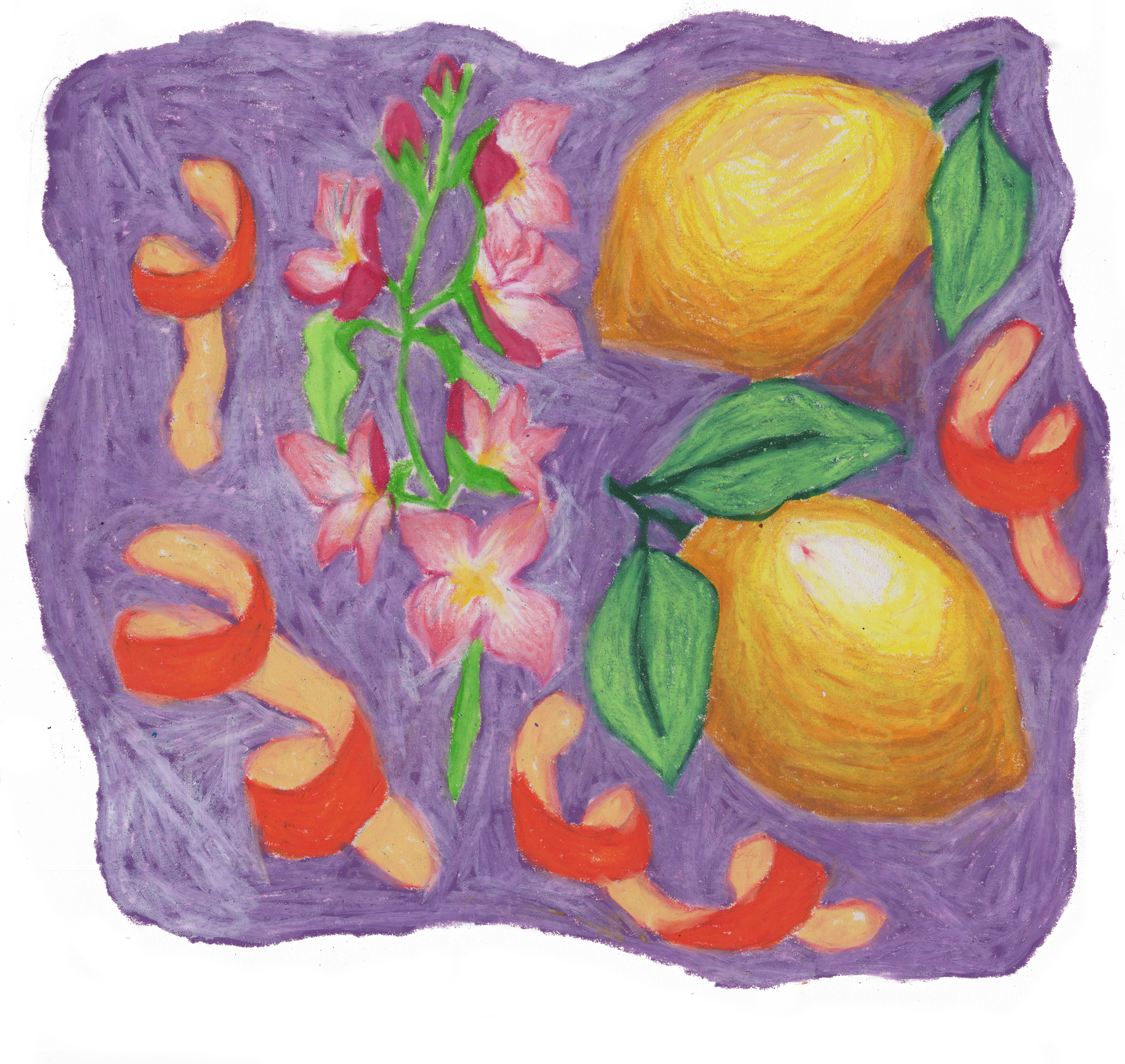
Producer - Malawo Smallholders Origin - Ethiopia Process - Washed Varietal - 74158 Altitude - 1920 -2330 MASL Flavour Notes - Jasmine, Candied Orange, Lemonade roast level: Ultra Light FARM This lot originates from smallholder plots surrounding the village of Malawo, located in the Arbegona district of Ethiopia’s Sidama Region, an area renowned for producing distinctive, high-quality coffees. Coffee is the primary cash crop for many farming families in Arbegona, providing an important source of income for local communities. Alongside coffee, farmers cultivate a variety of other crops, including sugar cane, enset (often referred to as false banana), spices and vegetables. The region’s cool temperatures, abundant rainfall and lush vegetation create favourable conditions for coffee cultivation. These environmental factors encourage the cherries to ripen slowly, allowing the beans to develop greater density, pronounced sweetness and a complex aromatic profile. Daye Bensa is a family-owned coffee producer and exporter established by brothers Assefa and Mulugeta Dukamo. With more than two decades of experience in the coffee industry, the company works closely with smallholder farmers through an extensive network of washing stations spanning Ethiopia’s major coffee-producing regions. Its wider operations include approximately 2,500 member farmers, 71 washing stations, four coffee farms and 11 dry mills. Through this established network, Daye Bensa plays an important role in connecting Ethiopia’s coffee-growing communities with international markets, while showcasing the unique qualities and regional character of Ethiopian coffee. PROCESS Ripe cherries are delivered to Daye Bensa’s washing station, where they are floated to remove defective fruit before being depulped. The parchment coffee is then dried on raised African beds for 12–15 days, with frequent turning to ensure even drying and preserve cup clarity. This careful process highlights the Malawo 74158 variety’s delicate jasmine florals, vibrant citrus and sweet stone-fruit notes. Also known as Krume 74158, this Ethiopian selection is associated with the Jimma Agricultural Research Centre (JARC). Selected in 1974, it was developed through research into indigenous coffee populations, prioritising cup quality, productivity and disease resistance. Today, it remains valued for its expressive, clean flavour profile.

An extremely light honey processed Geisha from Mi Reyna in Peru, grown at 1650 MASL with a focused dried pineapple profile.
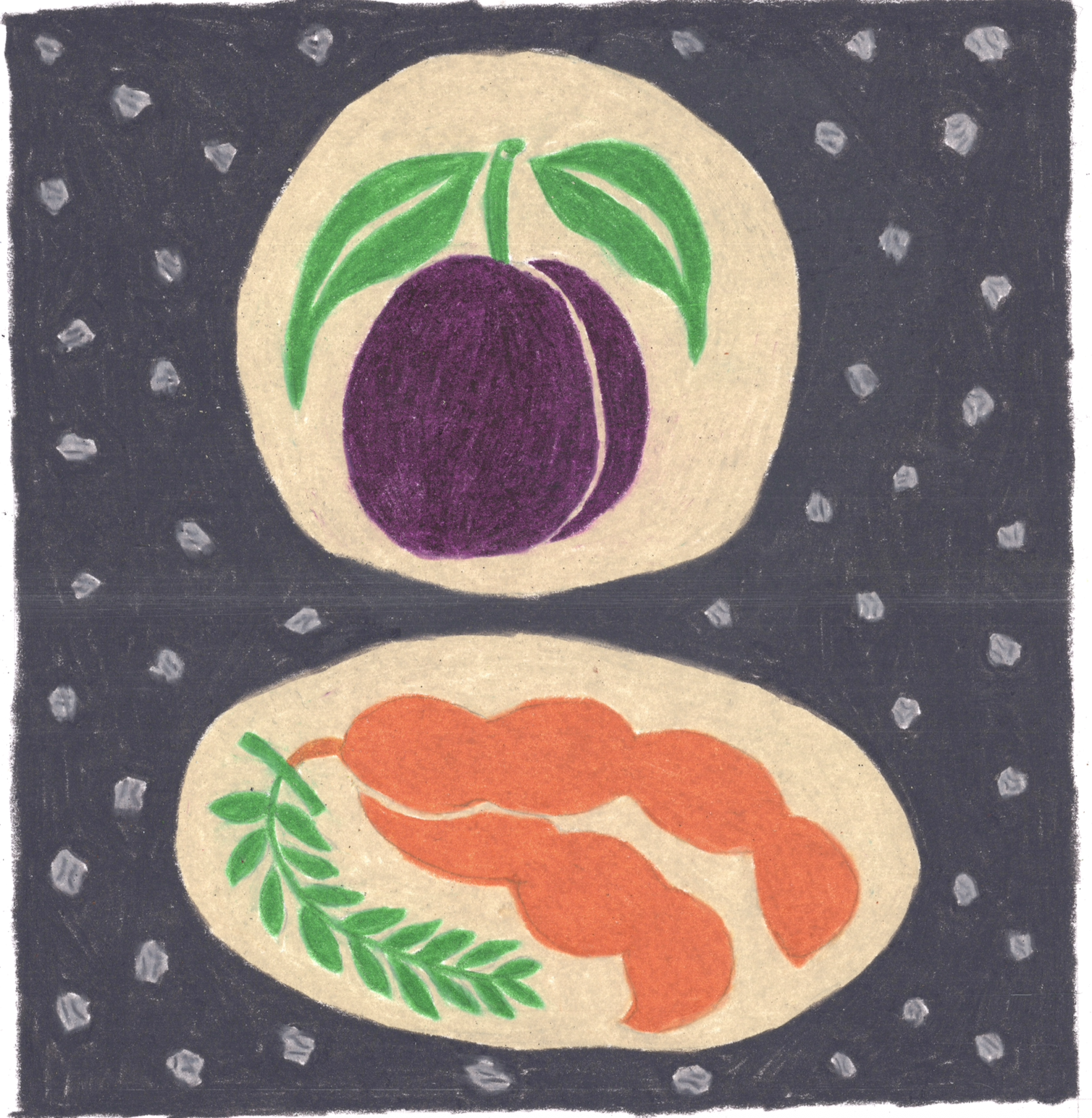
Producer - El Placer Origin - Colombia Process - Black Honey Varietal - Wush Wush Altitude - 1200-2100 MASL Flavour Notes - Plums, Tamarind, Black Pepper Best for: Filter + Modern Espresso roast level: Light Farm Located in Quindío, Colombia, El Placer Farm is owned and managed by Sebastian Ramirez, a fourth-generation coffee producer renowned for his innovative approach to specialty coffee. Building on generations of family knowledge, Sebastian has become recognised for developing experimental processing methods that highlight the unique character of each coffee variety. His focus on precision fermentation, careful quality control, and continuous experimentation has earned El Placer international acclaim among roasters and baristas. Every lot is produced with meticulous attention to detail, resulting in expressive coffees celebrated for their clarity, complexity, vibrant fruit character, and consistently exceptional cup quality. PROCESS The process begins with the careful selection of cherries, consisting of approximately 95% fully ripe and 5% semi-ripe fruit. After harvesting, the cherries are pulped while retaining an exceptionally high proportion of mucilage on the beans, allowing for an extended anaerobic fermentation that enhances sweetness, depth, and complexity. The coffee is then dried slowly under shaded conditions with minimal turning, ensuring a gradual and even reduction in moisture that develops a rich body while maintaining balance. Once the optimal moisture content is achieved, the coffee is packaged in GrainPro bags and stabilised for 15 days before preparation for export.
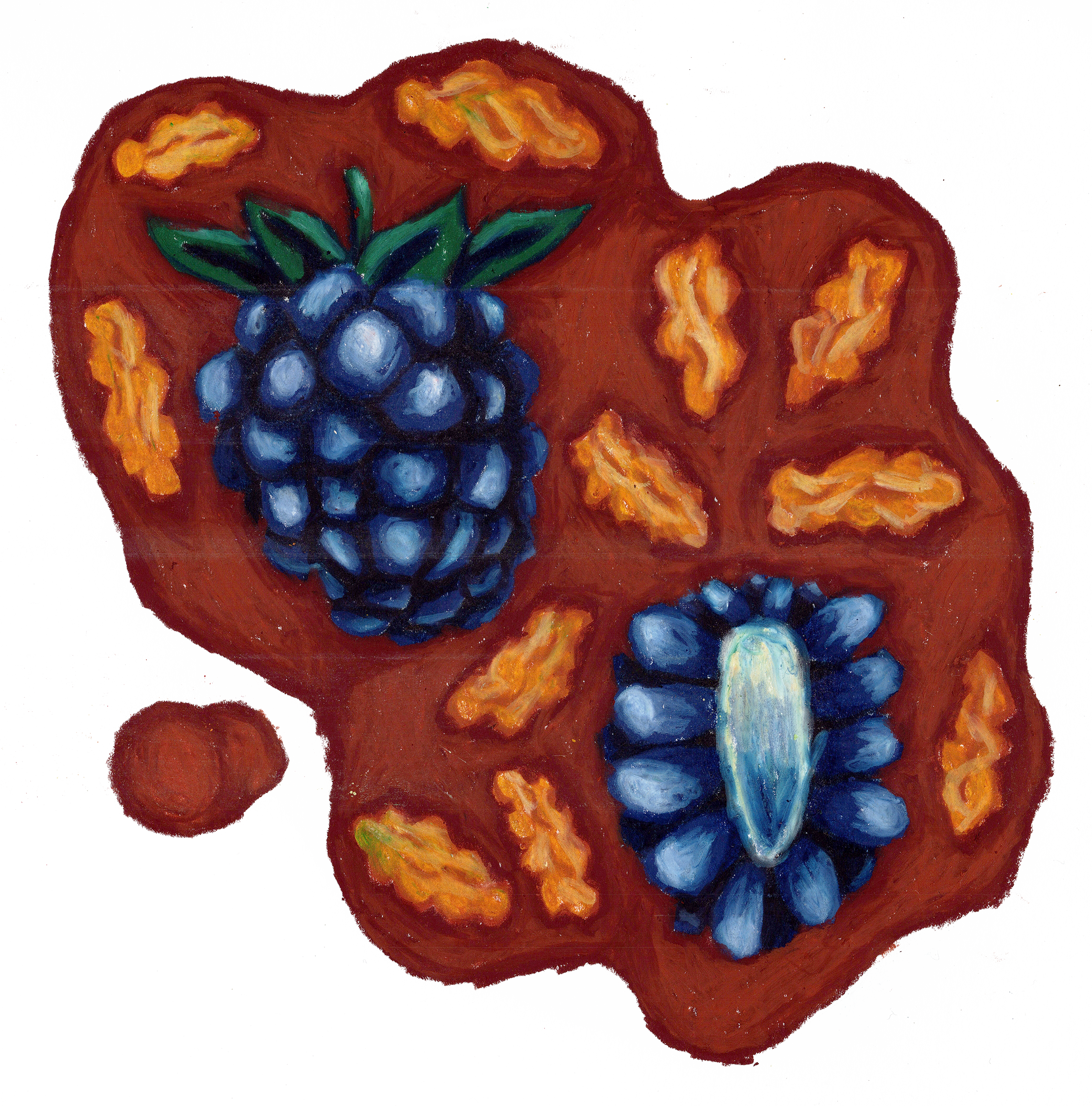
Farm - Tinganga Estate Origin - Kenya Process - Natural Varietal - SL-28 Altitude - 2000 Flavour Notes - Raisin, Blackberry, Creamy Chocolate roast level: Light FARM Tinganga is a 182ha coffee farm originally established by British colonists. It is now one of six estates owned and operated by Sasini, a publicly listed company with majority Kenyan ownership. Sasini’s estates have long placed an emphasis on equity and community. For estate workers, this includes the provision of living quarters, early childhood education, union membership, and guaranteed payment above the minimum wage. In collaboration with Olam Specialty and more than 30 of its customers, Sasini has also been able to invest further in the local primary school, Njenga Karume. This investment has principally involved the construction of a new computer lab, equipping students with IT skills to maximise their opportunities in an increasingly digital world. PROCESS Specialty natural processing is relatively rare in Kenya, an origin traditionally dominated by fully washed processing alongside lower-quality, home-processed naturals. At Sasini, selected cherries are dried in the sun on raised African beds for up to six weeks. The cherries are carefully turned to ensure a consistent drying process and to prevent over-fermentation or mould formation. They are covered at night and during rainfall to protect them from moisture damage.
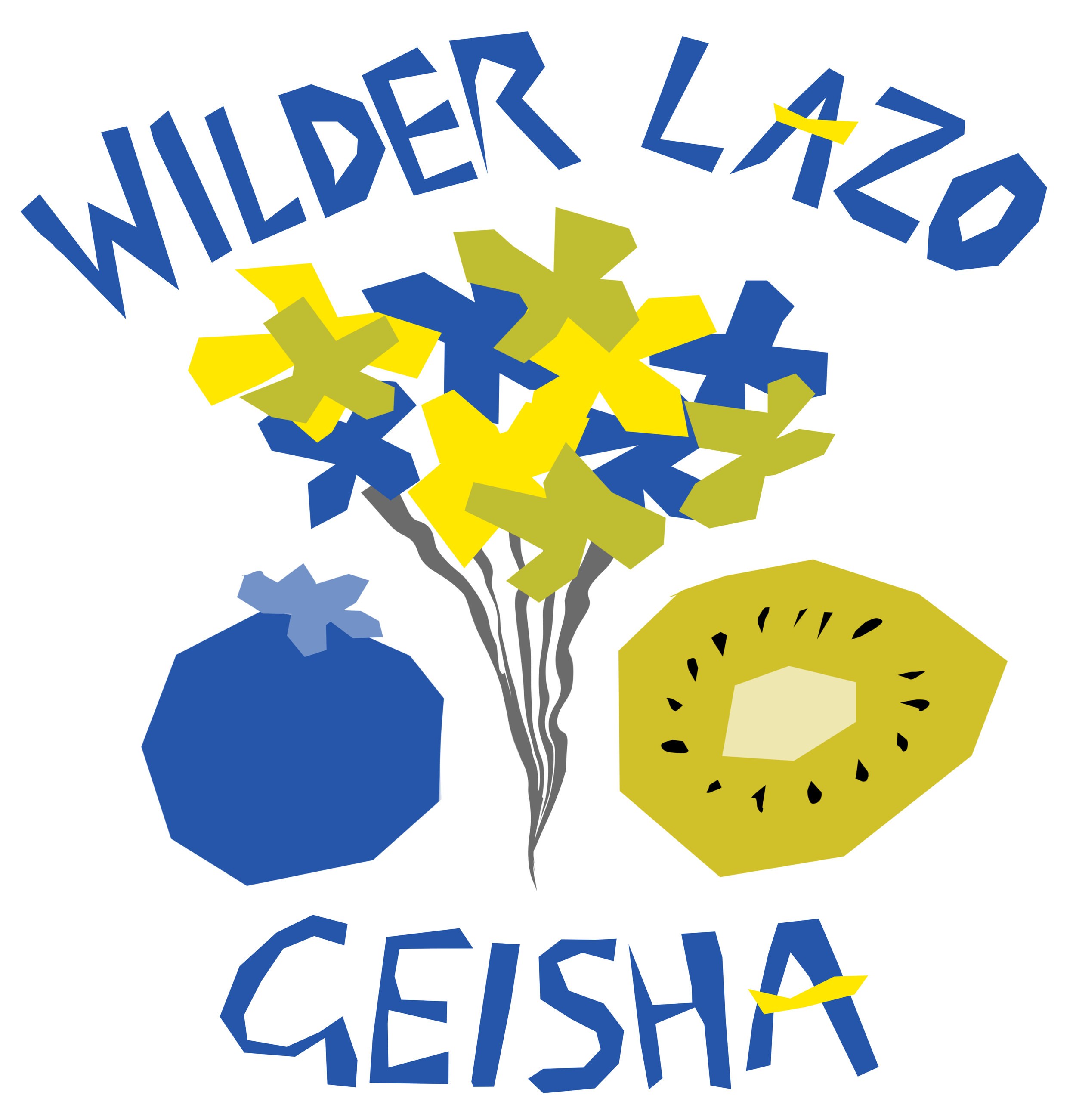
A very light natural Geisha from Wilder Lazo in Colombia, grown between 1470 and 2100 MASL with blueberry, golden kiwi, and floral notes.
These links switch to another browse view. The matching coffees for this page are shown above.