Flavours to expect
Kenyan coffees are often washed, with blackcurrant, citrus or red-fruit notes and plenty of acidity. Some also have caramel or maple sweetness.
Coffee Origin
Compare 23 current Kenya specialty coffees from independent UK roasters by process, tasting notes and price.
A few tips
Use price per 100g to compare different bag sizes. Tasting notes are the roaster’s descriptions, not a guarantee. Check prices and stock on the roaster’s site before buying.
Kenyan coffees are often washed, with blackcurrant, citrus or red-fruit notes and plenty of acidity. Some also have caramel or maple sweetness.
Try these if you enjoy bright, fruity coffee. If you prefer less acidity or mostly drink coffee with milk, check the roast level and brewing recommendation carefully.
For filter, try a finer grind if the coffee tastes thin and sour. If it tastes harsh or drying, try a coarser grind or less stirring.
Compare tasting notes and brew recommendations. AA and AB refer to bean grades, not flavour ratings.
Sorted with featured coffees first.
Showing 23 of 23 coffees

This lot comes from the Kamwangi washing station and is grown at altitudes of 1,600-1,800 masl. by smallholders in Kirinyaga County, in Kenya’s central highland region. Kamwangi is one of three washing stations managed by the Ngariama Farmers Cooperative Society, which serves around 1,500 farmers in this region, home to the slopes of Mount Kenya, rich volcanic soils, and numerous rivers. Coffee develops slowly due to the high altitude and lower temperatures, creating very muture fruit flavours, high in complexity.

A washed Kenyan coffee from Riara Estate with mixed currant aromatics, stewed fruit sweetness, citrus acidity, and a tea-like finish.

CONVERGE - Kenya from Kenya

NEED 2 - Kenya from Kenya

Kenya + Tinganga, Kiambu CountyVarietal: Batian, Ruiru 11, SL28, SL34Process: WashedAltitude: 1830masl Black Currant, Demerara, Black Tea The Sasini Estate AB Lot is a high quality coffee grown at 1,830 metres above sea level on the 260 hectare Tinganga Farm in Kiambu County, Kenya. Owned by Sasini PLC, which has grown coffee in the Kenyan Highlands since 1952, the estate utilises rich, deep red volcanic soil to cultivate Batian, Ruiru 11, SL28, and SL34 varieties. Harvested between October and December by some of the farm's 300 employees, the ripe cherries are fully washed, fermented for 12 to 16 hours, and sun dried on raised beds for 2 to 3 weeks before undergoing on site quality cupping. Managed with a focus on sustainability, the farm employs eco friendly practices such as reusing pulping water, planting shade trees, and turning decomposed coffee pulp into organic fertiliser.

Zesty, complex, and bursting with character! This exceptional Kenyan coffee opens with vibrant notes of zesty lemon curd and dark blackcurrant jam, balanced by an aromatic oolong tea finish. Situated near Karatina in Nyeri County, Tegu, meaning “low place”, sits in the cool mountain foothills between Mount Kenya and the Aberdare Range. Operated by the Tekangu Farmers’ Cooperative Society, established in 1969, the factory serves around 1,200 smallholder family farmers who hand-pick ripe cherries across tiny, high-altitude plots. After a double fermentation and a 24-hour soak in fresh water, the coffee is slowly dried on raised beds. A traditional Kenyan process that creates remarkable clarity, vibrant acidity, and an unforgettable cup profile. Read more about this coffee and our suggested recipe on the blog. Details Free UK Tracked 48 delivery on orders over £30. Please see our FAQs for more information. Order before 10:00am Mon-Fri for same day dispatch We don't ship coffee more than 7 days from roast date Our CoffeeWe source speciality grade coffee that is fully traceable and ethically sourced, working with producers and importers who share our values. Read more about our ethics. StorageAll our coffee beans are roasted fresh and are best consumed within within 6 weeks of roast date. Reseal the bag after opening and store at ambient temperature away from direct sunlight. Giving backAs a Certified B Corporation, we support charities and organisations that share our values, allowing both you and us to create a positive social and environmental impact with every purchase, all year round.
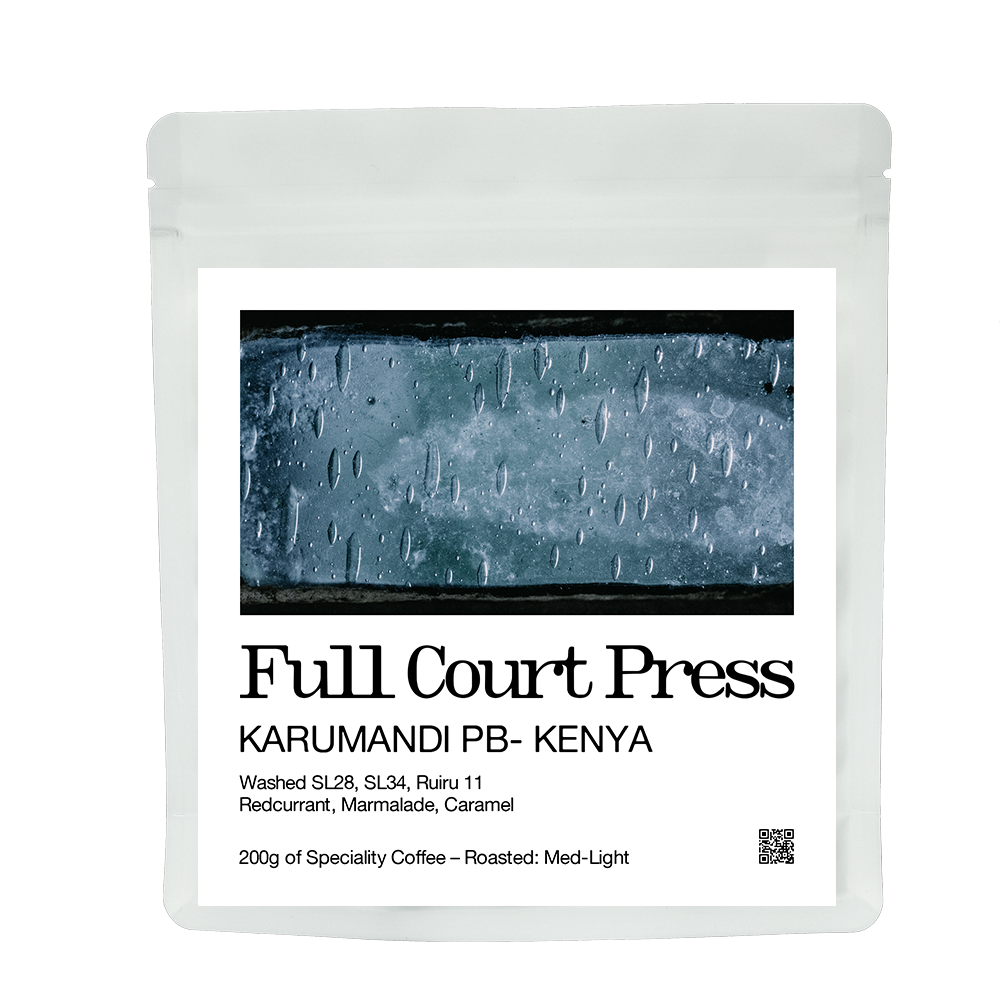
Kenya - Washed - Filter Roast Coffee Redcurrant, Marmalade, Caramel

A washed Kenyan AB filter roast with blackberry fruit, molasses depth, and a marmalade finish.
A washed Kenyan AA filter roast with pink apple brightness, blackcurrant jam intensity, and caramel sweetness.

Our first Kenya of the season is here! Delivering the signature blackcurrant juiciness we love, alongside notes of stewed stone fruit and roasted peach, finishing with rich, deep cocoa. It’s a fast roastery favorite that we drink on batch brew every day. Grown on the fertile, red volcanic slopes of Mt. Kenya, this coffee is produced by roughly 600 small-scale farmers and processed at the Karimikui washing station, which is operated by the Rungeto Farmers Cooperative. To maintain a healthy ecosystem, these farmers cultivate their coffee alongside bananas, maize, and shade canopies like Macadamia and Grevillea. Following strict hand-sorting, the cherries are pulped, fermented overnight, and washed in clean water channels. Finally, the coffee is meticulously sun-dried on raised African beds for 7 to 15 days, continuously hand-turned to ensure uniform, exceptional quality.

Kenya - Kangunu washed Varietal – SL28, SL34, Ruiru and BatianPreparation – Washed (dry ferment)Location – Muranga countyAltitude – 1700+ maslImporter - Horsham Coffee Roaster We first visited the Kangunu co-operative in December 2016 and have been buying their coffee every since. They produce some of the best Kenyan coffees. This is an AA bean-size lot produced using the classic Kenya washed method. Coffee is pulped, dry fermented, and then washed in grading channels to separate the high-density, best-quality beans. Tasting notes include cranberry, black cherry, maple syrup.

ALTITUDE : 1,500 - 2,000 MASL VARIETAL : SL-28, Ruiru 11, Baitan PROCESS : Washed REGION: Central Highlands Nyota, meaning “star” in Swahili, celebrates the classic coffee profile of Kenya’s Central Highlands. Rather than coming from a single farm, Nyota is a regional selection bringing together coffees grown by smallholder farmers working through cooperatives across some of Kenya’s highest-altitude coffee-growing areas.The coffee is processed using Kenya’s traditional washed method. Ripe cherries are pulped before undergoing controlled fermentation, followed by thorough washing to remove the remaining mucilage. This careful process contributes to the clarity, structure and consistency for which coffees from the region are known.Following processing, the coffee is prepared at the dry mill, where beans are carefully graded and screen-sized. Nyota is selected to the AB grade, creating a consistent lot while retaining the distinctive character of the Central Highlands.The result is a coffee rooted in one of the world’s most celebrated growing regions, bringing together the work of many small producers in a profile that is unmistakably Kenyan.

From the slopes of Mount Kenya, rich volcanic soils and high elevation create the environment for distinct coffees: raspberry and jasmine.
Formed when a coffee cherry develops a single seed rather than two, peaberry beans have become celebrated for their complexity and depth of flavour. This lot from Kenya is softly fruity and smooth drinking.
Our final Kenyan coffee of the year balances bright lime notes with natural sweetness. Produced by a collective of growers on the nutrient-rich slopes of Mount Kenya, Kiamugumo offers a refreshing and beautifully structured cup.
Produced by a renowned coffee factory in Kenya's Central Province, this lot reflects decades of expertise and offers a vivid example of the juicy fruit character and complexity for which Kenyan coffee is celebrated.

A seasonal espresso from Burundi's Muyinga District, built around washed Red Bourbon from Prosper Merimee. Orange, raspberry, and ginger notes make it bright, expressive, and lively in the cup.

The peaberry grade is a sweet, small and round bean (unlike other beans, which have one flat edge). Once considered a less desirable grade, it is now famed for its rich, characterful flavour. Roasted to a medium-dark level, this coffee is a great expression of Kenyan coffee. Expect fruit notes of raspberry & blackberry, intense molasses and hint of high quality cocoa.

A washed Kenyan coffee from Tegu in Nyeri County. Jammy sweetness, juicy black fruit, and sparkling citrus acidity make it a lively filter coffee.

It is common to roast Kenyan coffees extremely lightly, to highlight the dominant acidity. But in the case of the Sasini, we were impressed with its intense honey sweetness, and so developed the natural sugars a little further with a longer roast time, and higher temperature. This has resulted in a complex sweetness with subtle florals, black forest fruits and a hint of cocoa on the finish.

This natural lot was grown on the Ruera Estate, a 190 hectare site in Kiambu County, where a focus on quality and continuous improvement has firmly put them on the specialty map. Managed by Coffee Management Services (CMS), the estate benefits from regular input from agronomists, who work with the team to continuously refine farming practices and processing methods.
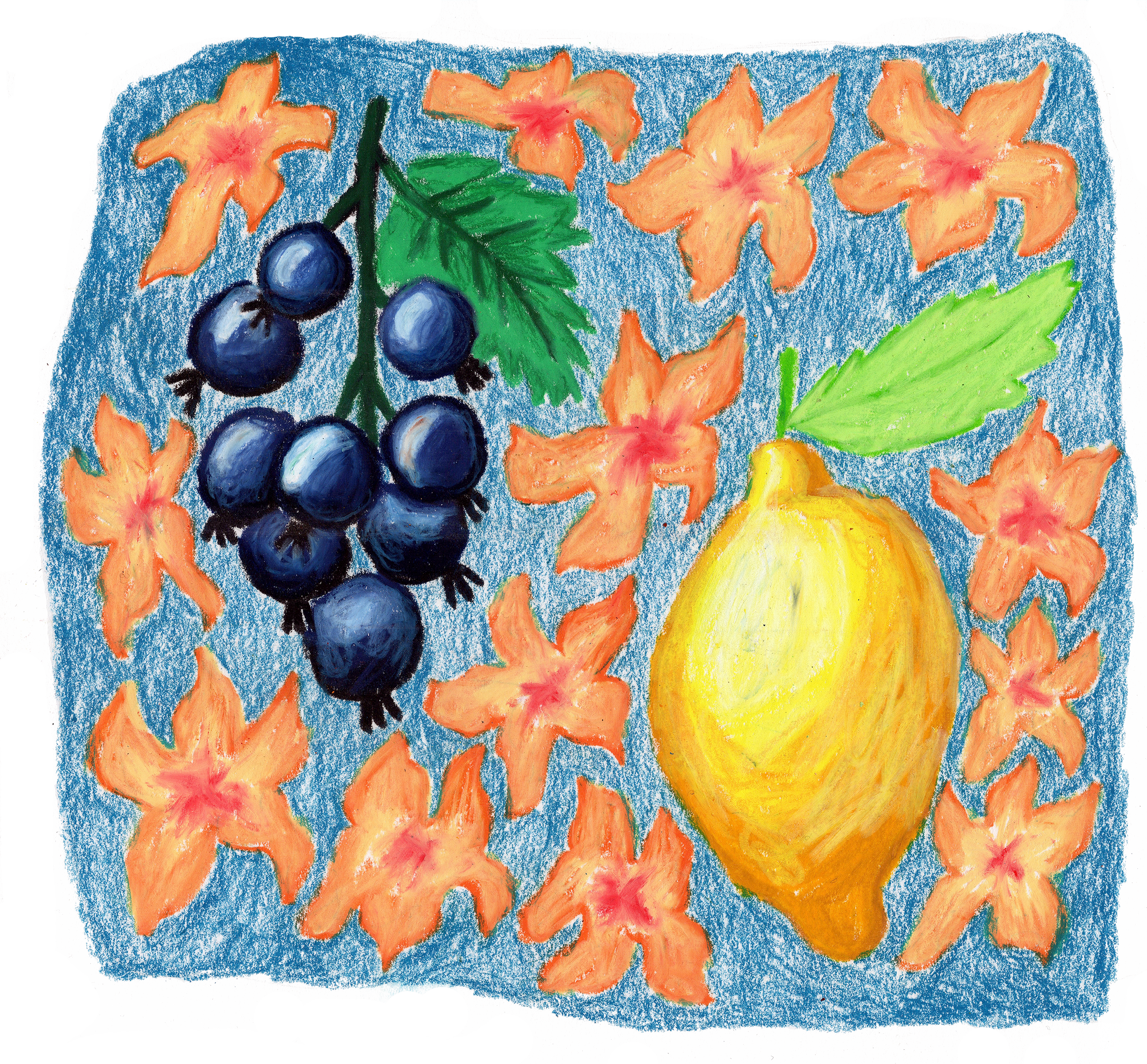
Wet Mill - Kamwangi Origin - Kenya Process - Fully Washed Varietal - Batian, Ruiru 11, SL-28 Altitude - 1600 - 2000 MASL Flavour Notes - Blackcurrant, Vanilla, Lemons roast level: Ultra Light FARM This AA-grade, fully washed coffee comes from Kamwangi Coffee Factory, one of three processing stations operated by the New Ngariama Farmers Cooperative Society (FCS) in Kirinyaga County, within Kenya’s central highlands. The cooperative works with approximately 1,500 local farmers who cultivate Ruiru 11, SL28 and Batian at elevations reaching 1,800 metres above sea level. Located in the Nyangeni sub-location of Ngariama, in the northeastern part of Kirinyaga County, Kamwangi was the cooperative’s second factory to be established, following Kainamui. As production volumes increased, the cooperative opened its third facility, Kiamugumo, to support the growing demand placed on both Kamwangi and Kainamui. Kamwangi has consistently produced outstanding Kenyan coffees over recent seasons, reflecting the dedication, expertise and careful work of the farming community and factory team. Their shared commitment to quality helps showcase the distinctive character of coffees grown in this celebrated region. PROCESS The coffee is hand-sorted by farmers before processing, with unripe and overripe cherries removed to ensure that only suitable fruit enters production. Following sorting, the cherries are pulped to remove the outer skin, and the coffee is fermented under shaded conditions for 24–36 hours, with the duration adjusted according to ambient temperatures and weather. Once fermentation is complete, the coffee is thoroughly washed and graded by density through washing channels. This stage separates the beans according to their density, helping maintain consistency and quality throughout the lot. The parchment coffee is then transferred to raised African drying beds, where it is sun-dried for approximately 12–20 days, depending on prevailing weather conditions. During this period, the coffee is carefully monitored, while plastic coverings are used at midday and overnight to protect the beans from excessive moisture and rainfall. This considered approach to processing and drying helps preserve the coffee’s quality and contributes to the clean, vibrant characteristics associated with carefully prepared Kenyan coffees.
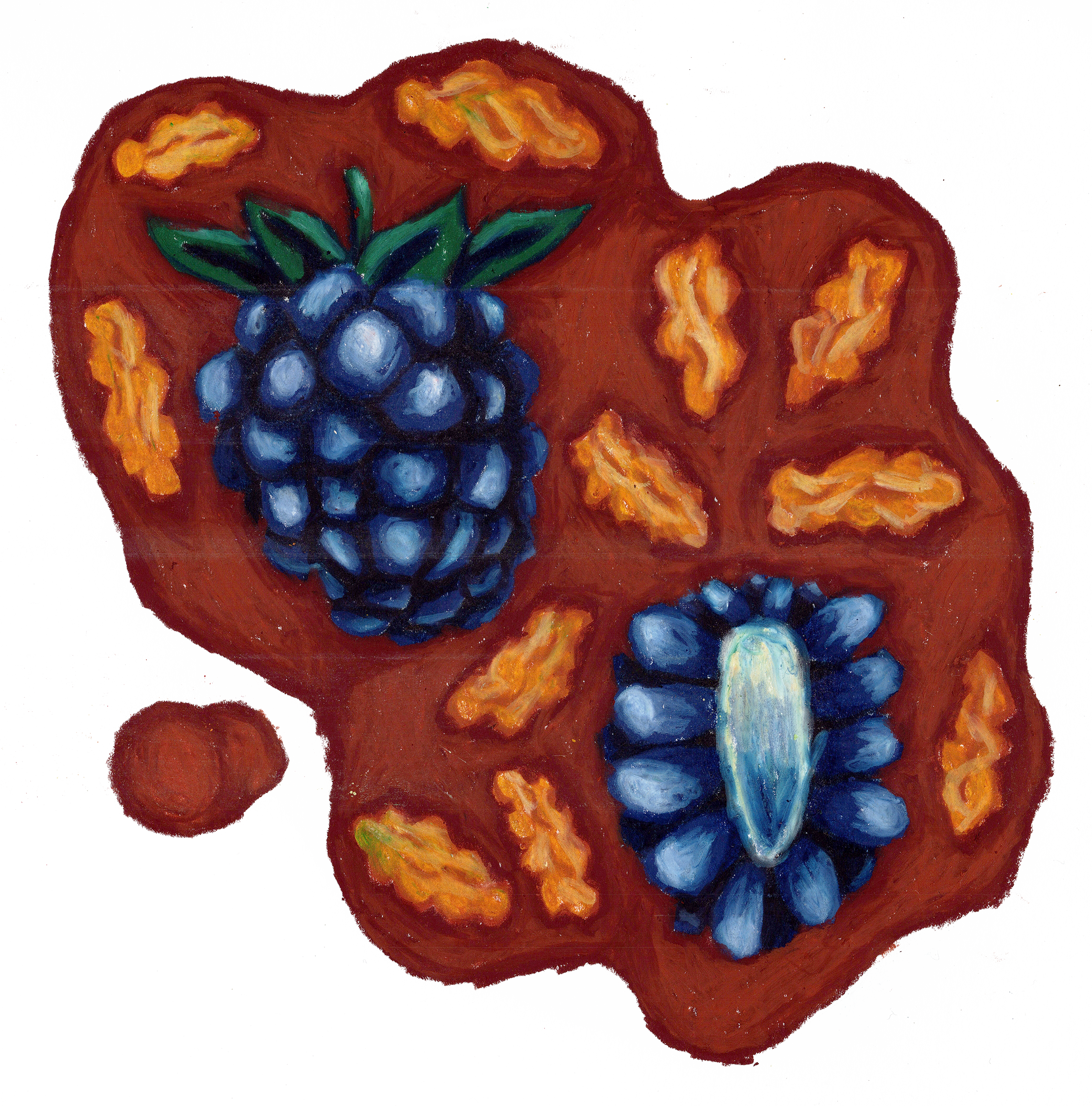
Farm - Tinganga Estate Origin - Kenya Process - Natural Varietal - SL-28 Altitude - 2000 Flavour Notes - Raisin, Blackberry, Creamy Chocolate roast level: Light FARM Tinganga is a 182ha coffee farm originally established by British colonists. It is now one of six estates owned and operated by Sasini, a publicly listed company with majority Kenyan ownership. Sasini’s estates have long placed an emphasis on equity and community. For estate workers, this includes the provision of living quarters, early childhood education, union membership, and guaranteed payment above the minimum wage. In collaboration with Olam Specialty and more than 30 of its customers, Sasini has also been able to invest further in the local primary school, Njenga Karume. This investment has principally involved the construction of a new computer lab, equipping students with IT skills to maximise their opportunities in an increasingly digital world. PROCESS Specialty natural processing is relatively rare in Kenya, an origin traditionally dominated by fully washed processing alongside lower-quality, home-processed naturals. At Sasini, selected cherries are dried in the sun on raised African beds for up to six weeks. The cherries are carefully turned to ensure a consistent drying process and to prevent over-fermentation or mould formation. They are covered at night and during rainfall to protect them from moisture damage.
These links switch to another browse view. The matching coffees for this page are shown above.