Flavours to expect
Washed Rwandan coffees often have apple, citrus or blackcurrant notes. Natural and honey-process coffees can have more berry sweetness and body.
Coffee Origin
Compare 18 current Rwanda specialty coffees from independent UK roasters by process, tasting notes and price.
A few tips
Use price per 100g to compare different bag sizes. Tasting notes are the roaster’s descriptions, not a guarantee. Check prices and stock on the roaster’s site before buying.
Washed Rwandan coffees often have apple, citrus or blackcurrant notes. Natural and honey-process coffees can have more berry sweetness and body.
Try washed coffees for a bright filter brew, or natural and honey-process lots for more fruit and body.
Start with a filter recipe unless the roaster recommends otherwise. If a natural tastes heavy or drying, try less stirring.
Check the washing station and process when two listings look similar. The same station may produce both washed and natural coffees.
Sorted with featured coffees first.
Showing 18 of 18 coffees

Rwanda — Jonathan Ngoga Year 2 Cherries from Jonathan’s farm are processed as a dedicated single-producer lot at Muraho Trading Company’s Rugali washing station, alongside coffees from the surrounding smallholder community. The cherries are hand-sorted before being floated and pulped, with underripe or damaged fruit removed at each stage. The coffee is then fermented for around 12 hours in concrete tanks, with the parchment agitated several times throughout the process. After fermentation, it is washed and graded by density before being hand-sorted again and laid out to dry for around 30 days. The result is a vibrant coffee bursting with honeycomb sweetness and yuzu.

Another coffee from our friends at Raw Material. Gito means tiny in Kinyarwanda. Traditionally beans this small would not be exported and sold only in the internal market. Not convinced that smaller beans mean lower quality, RM and Kilimbi washing station isolated these small beans, sorted them by density and cupped. As they suspected the coffee tasted great and now the producers can get a better price for this part of their crop. Farmers deliver their cherry to Kilimbi by boat which is the only way to access this station which sits on Lake Kivu the Great Lake that lies on the border between Rwanda and Democratic republic of Congo.

We’ve been buying this coffee for over six years now, and it has become an early-year treat for us. Kilimbi was one of the first washing stations in Rwanda to receive permission to produce honey and natural processed coffees. Previously, the Rwandan government only allowed fully washed coffees as part of its commitment to maintaining consistent quality across the country. Smallholder farmers transport their harvested cherries across Lake Kivu by boat to sell to the Kilimbi washing station. Lake Kivu, located on the border between Rwanda and the Democratic Republic of Congo, is one of the largest lakes in Africa. This ancient body of water once drained into the White Nile, which now flows from Uganda to Sudan. Around 10,000 years ago, a volcanic eruption near Lake Kivu blocked its northern outlet, forming the Virunga Mountains and permanently altering the region’s geography. Lake Kivu is also one of only three lakes in the world known to experience limnic eruptions. This rare natural phenomenon occurs when dissolved carbon dioxide suddenly erupts from the lake’s depths.

We’re super excited that it’s time for the Sholi top lot again! We recently visited this Co-op with our head of coffee, our training manager and our roastery manager last year, scroll for pictures of their visit.Abatraninkunga ba Sholi cooperative are based in the Muhanga region of central Rwanda. They formed in 2008 as a small association by 30 women farmers. It is now an autonomous cooperative boasting 2000 members.Caravan started working with this group in 2020. We buy both washed and natural processes from Sholi for our core blends, but this lot is a bit more special. Each year Caravan and Sholi hold a competition among the coop members. Natural processed coffees from the group that score 87+ on the sca scoring system are entered into the competition and cupped by both the Sholi quality team and the quality team at Caravan. The highest scoring coffees are then put into a blend, this blend. The farmers that have produced these lots are awarded with a secondary payment, and as suggested by the producers, each of the winners receives a goat (both incentives paid for by Caravan). It’s always a really exciting time at the roastery when the Sholi Top Lot arrives and we’re ecstatic to share with you.

This coffee comes to us from a project born out of a meeting between coffee friends on one of Lucia Solis's fermentation camps. Mike, then of Red Bank Coffee, was on the camp in Kenya at along with Eustache from Muraho trading company based in Rwanda. We'd visited Muraho back in 2023 with importer Raw Material Coffee and Eustache was manager for a number of Muraho's processing stations including Kilimbi. During the camp Mike and Eustache hatched a plan to use the fermentation techniques they were learning during the camp to process a small lot of coffee at Kilimbi and bring it to the UK. Lucky for us there was a little extra to Red Bank's requirements and we were able to get hold of a few sacks. All cherry is hand sorted before a pre-pulp float, where under-ripe or damaged cherry is removed, along with any foreign objects. Cherry is then floated in pre-pulping tanks removing any floaters, and then pulped. The next step is the magic applied by Eustache and Mike based on their FTC experience. Lactobacillus var. plantarum (bacteria) and Pichia kluyveri (yeast) were then introduced and mixed with the coffee. The lot was fermented for 24 hours, with agitation every six hours, before being washed, graded in serpentine channels, and dried on raised beds.
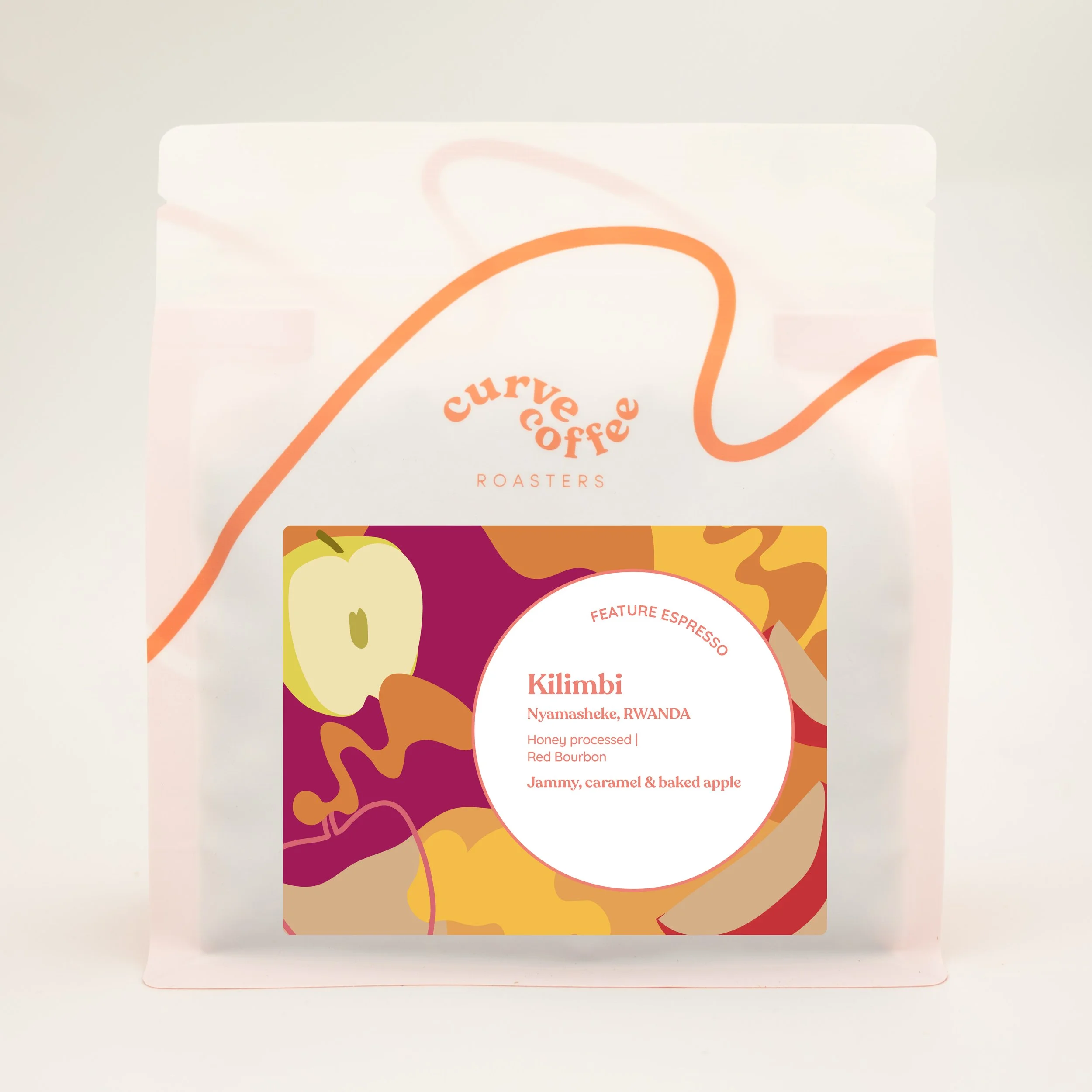
Honey processed Red Bourbon variety lot produced by the team at Kilimbi washing station, run by Muraho Trading Company, based on the shore of Lake Kivu in Nymasheke region. Jammy body, caramel & baked apple Great for espresso machines, mocha pots (stove-tops), Aeropress & cafetière. Delicious on its own and with milk.

Did you know that only one in 10 young people can name a female CEO? The City Collective was created by Glasgow City FC to amplify the voices of those blazing their own trail. Dear Green's core ethos has always been to break barriers, lift each other up, and foster true equity. We were delighted to be a founding member of The City Collective. We recently hosted some of the Glasgow City FC team at the roastery to collaborate on a coffee; we proposed coffees from women producers. You can read more about it on the blog. The team chose this great coffee from the KCRS women's cooperative in Kinini, Northern Province, Rwanda. Not only will this collaboration shine a spotlight on women producers and the great coffee they produce, but through selling and sipping their product, we will also be supporting the Glasgow City FC Foundation: £1 from every single bag sold will go directly to the Glasgow City FC Foundation, helping to fund grassroots initiatives, promote inclusion, and inspire the next generation of girls in sport. Whether you're a die-hard football fan, a specialty coffee lover, or just want to support a great local cause, grab a bag, brew a cup, and let’s fuel change together. Details Free UK Tracked 48 delivery on orders over £30. Please see our FAQs for more information. Order before 10:30 am Mon-Fri for same-day dispatch We don't ship coffee more than 7 days from roast date Our CoffeeWe source speciality grade coffee that is fully traceable and ethically sourced, working with producers and importers who share our values. Read more about our ethics. StorageAll our coffee beans are roasted fresh and are best consumed within 6 weeks of the roast date. Reseal the bag after opening and store at ambient temperature away from direct sunlight. Giving backAs a Certified B Corporation, we support charities and organisations that share our values, allowing both you and us to create a positive social and environmental impact with every purchase, all year round.

A washed Rwandan coffee produced by women farmers connected through KCRS. It brings a sweet, balanced cup shaped by Rwanda's high altitude, rainfall, and volcanic soils.
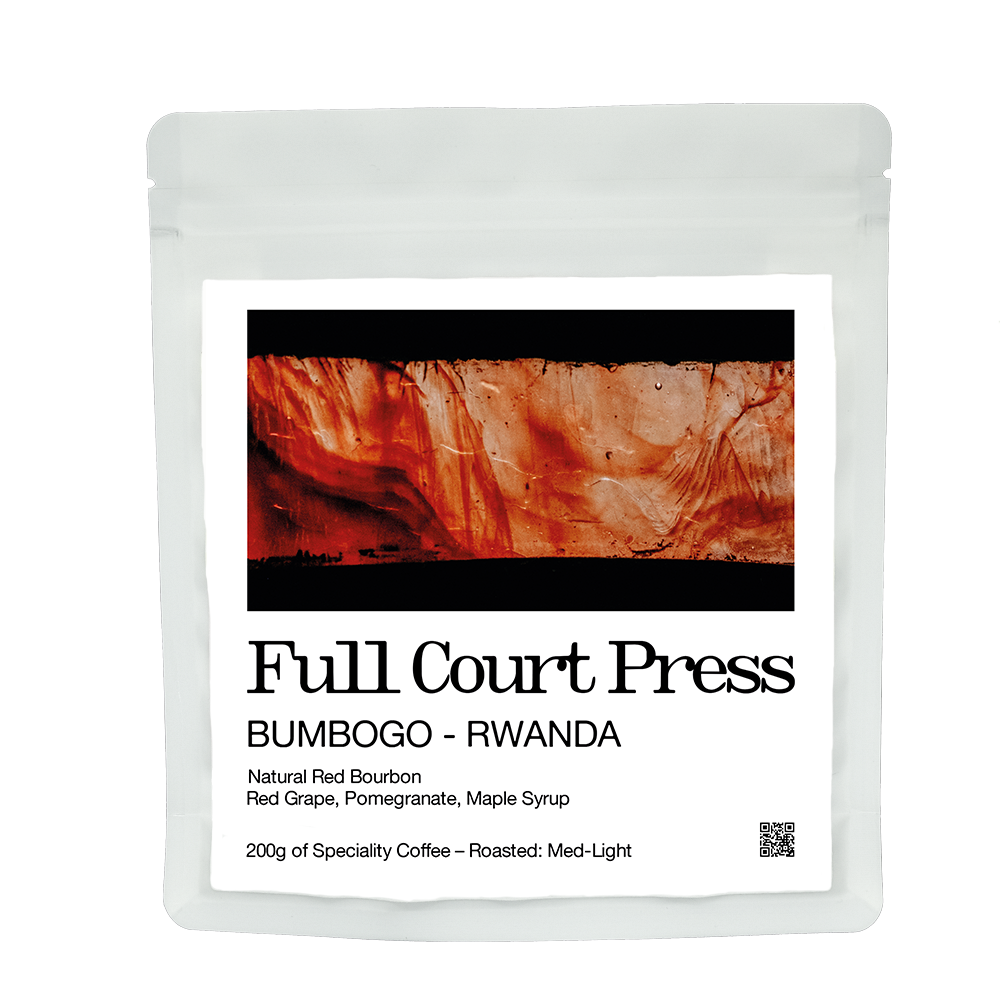
A natural Rwandan filter roast with red grape and pomegranate fruit character, finished with maple syrup sweetness.

A washed Rwandan filter roast with sultana, toffee, and nutmeg notes for a sweet, gently spiced cup.
An anoxic natural Rwandan filter roast with strawberry, blackberry jam, and a cardamom finish.
A honey processed Rwandan filter roast with pear sweetness, blackberry fruit, and clove spice.

A washed Red Bourbon from Liza washing station near Kamembe in southwest Rwanda. Orange, caramel, and cranberry notes showcase Horsham's long-running direct relationship with Jean Paul and local smallholders.

REGION : Mbare ALTITUDE : 1,800 MASL VARIETAL : Red Bourbon PROCESS : Washed FLAVOUR NOTES : Prune, Green Apple, Cola Ishano, meaning "relationship" in Kinyarwanda, reflects the collaborative spirit behind this coffee. Processed at Rwamatamu's Mbare washing station in Rwanda's Southern Province, it represents the work of hundreds of smallholder farmers and the long-term partnerships that support them. Founded in 2015 by Rutaganda Gaston and Mukantwaza Laeticia, Rwamatamu is a family-run producer committed not only to quality coffee, but also to strengthening local communities. Cherries are carefully hand-sorted before being pulped, fermented, washed and dried on raised beds for around three weeks, resulting in a clean and expressive cup profile. Beyond production, Rwamatamu invests heavily in farmer support programmes. A Women's Cooperative provides access to land, seedlings and agricultural training, while a Youth Association encourages younger generations to build careers within coffee, creating long-term opportunities across the region. The result is a coffee shaped by collaboration, shared knowledge and a belief that strong communities are essential to producing exceptional coffee.

A pineapple-infused anaerobic natural from Rwanda Cyato, packed with pineapple jelly, lime, rum, and tropical sweetness.

An Ijabo Youth Project lot from Rwanda with syrupy sweetness, candied peel, pear drops, and medjool date character.

A washed Rwandan coffee from the Ijabo Youth Project, clean and bright with lemon sherbet, black tea, and golden raisin.

A washed Rwandan filter coffee from Nyamasheke Hills, produced through Ndereyimana Louis and his family-run operation. Blackberry, apple, and maple syrup notes give it a bright, sweet structure.
These links switch to another browse view. The matching coffees for this page are shown above.