Cup of Excellence El Mango • Washed • SL-28 • Honduras
Current listingHonduras
Taith Coffee

Cup of Excellence El Mango • Washed • SL-28 • Honduras

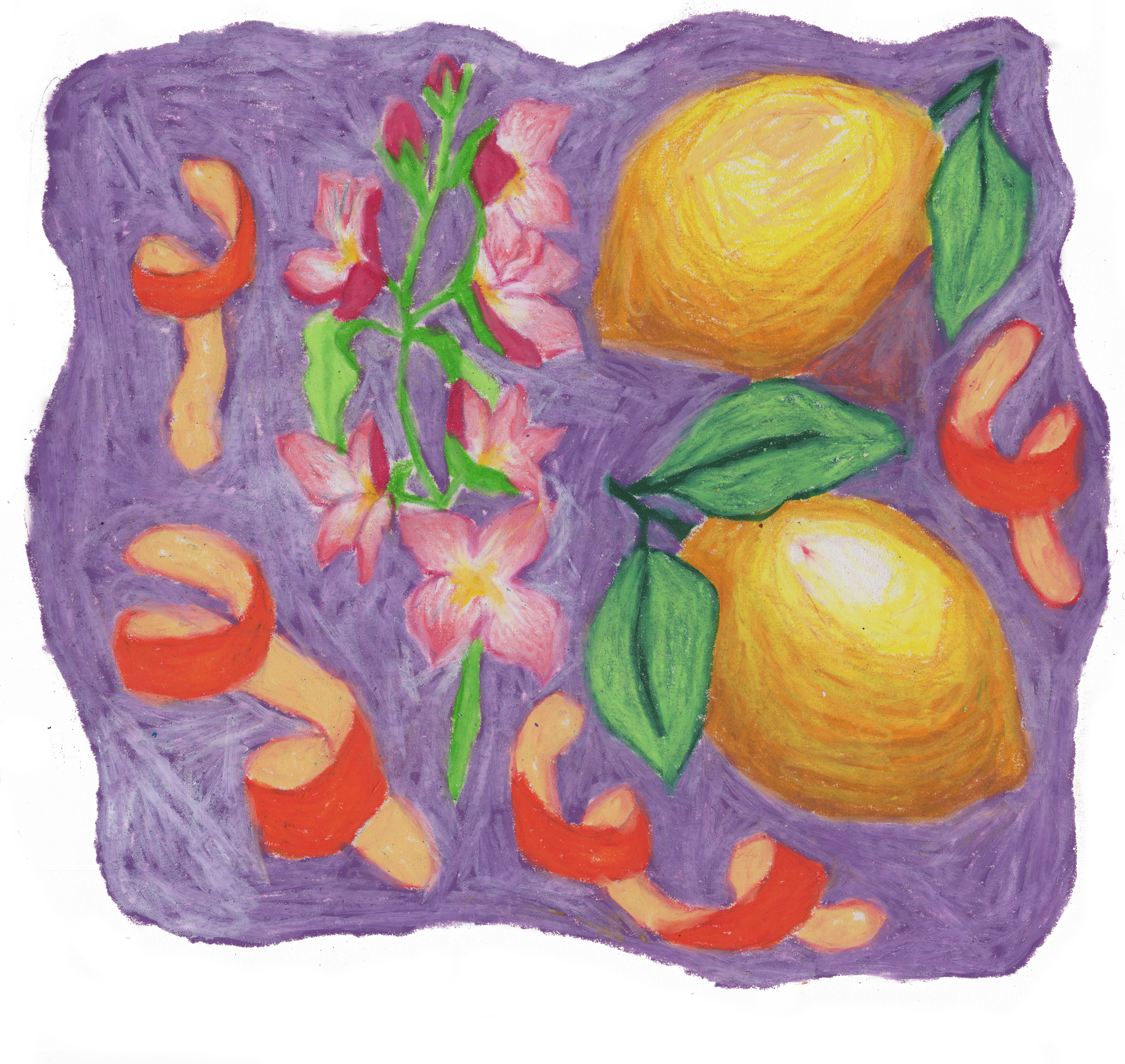
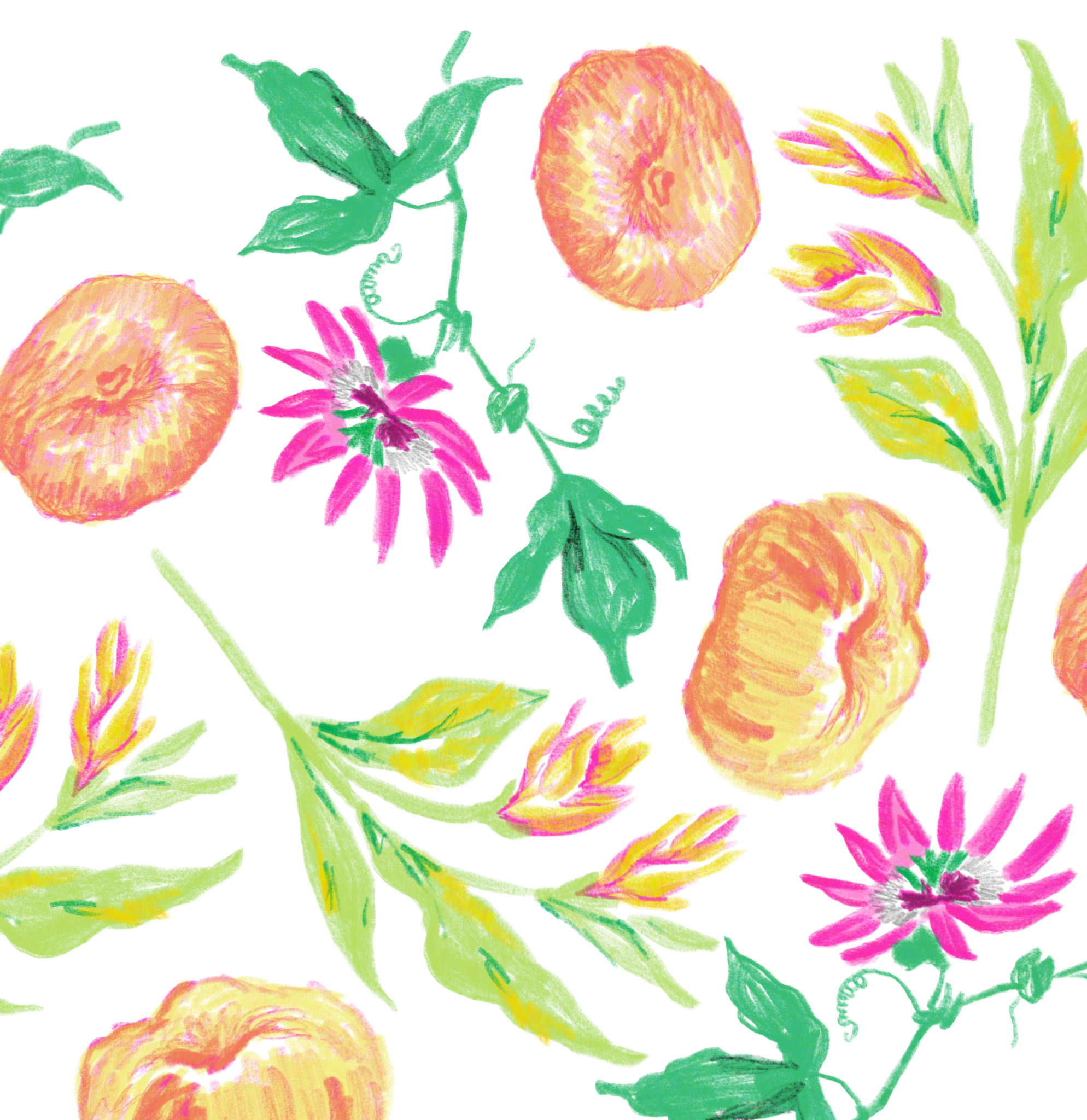
PeachPassionflowerGinger Lily

About this coffee

Farm - El Mango Origin - Honduras Process - Washed Varietal - SL-28 Altitude - 1600=1640 MASL Flavour Notes - Peach, Passionflower, Ginger Lily roast level: Ultra Light FARM El Mango is a family-run farm in Santa Bárbara, Honduras, built over years by Evin Joel Moreno Reyes and Alma Aydee Pineda Alvarado. Their journey began with a single plot, gradually expanding as their focus on quality and competition coffees developed. Today, the farm grows distinctive varieties including Geisha and SL28. El Mango has become a regular presence in Honduras’ Cup of Excellence: Alma placed second in 2024 with a washed SL28, while the farm returned in 2026 to take fifth place in the Exotic category. It is a remarkable story of persistence, family and an increasingly precise approach to exceptional coffee. PROCESS The cherries are carefully selected at peak ripeness before being depulped and fermented to break down the remaining mucilage. The coffee is then thoroughly washed and slowly dried to preserve clarity and structure. The result is a clean, precise cup profile that foregrounds the variety, sweetness and character of El Mango.

Current bag
£25.00/ 125g

£20.00/100g

Buy from Taith Coffee

Coffee data

Origin
Honduras
Producer
El Mango
Process
Washed
Variety
SL-28
Altitude
1640 MASL

Keep exploring

More current coffees to compare

Coffees with a roaster, origin, process or brew method in common.

Malawo Daye Bensa • Washed • 74158 • Ethiopia
Taith Coffee
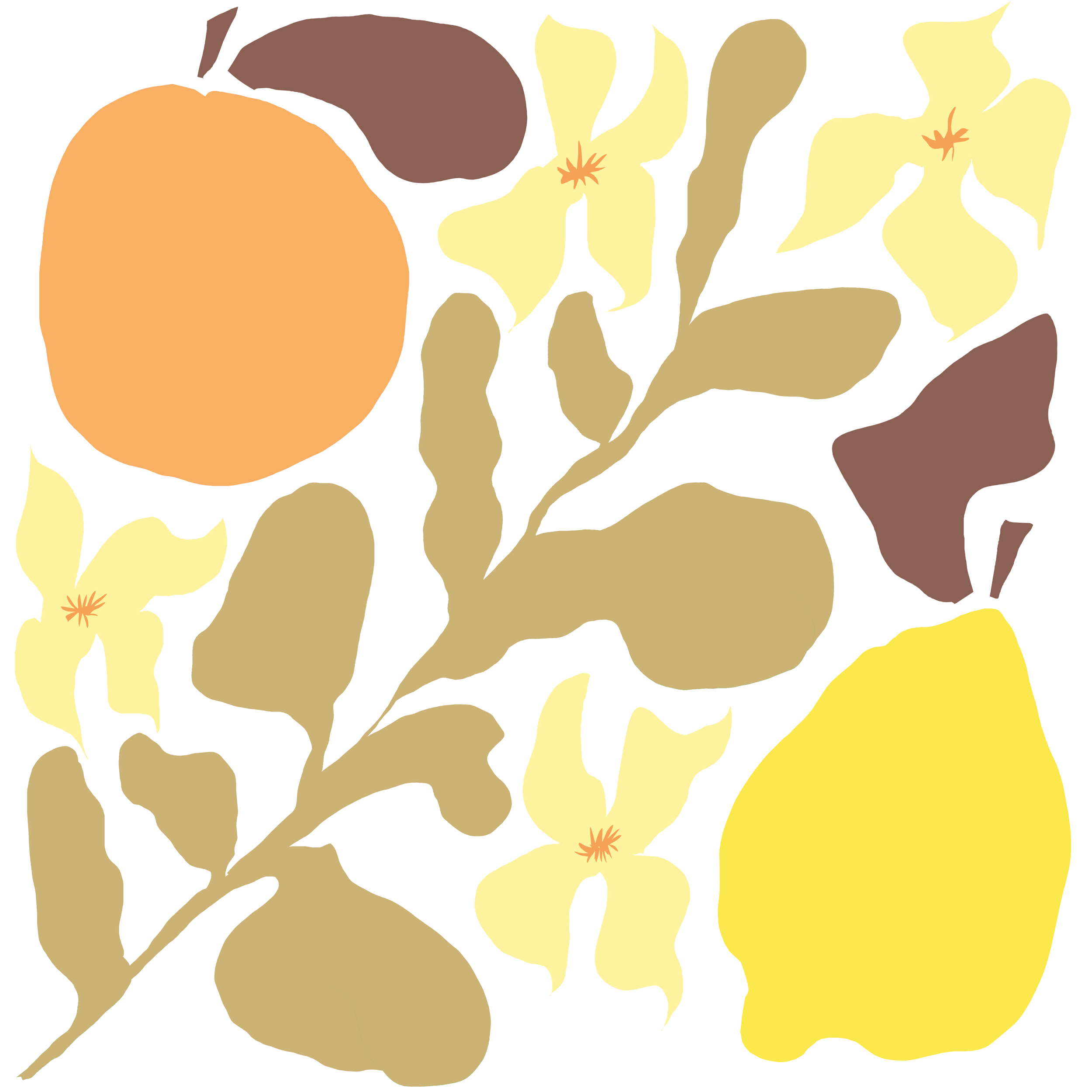
JasmineCandied OrangeLemonade
Producer Malawo Smallholders
Process Washed
Variety 74158
Altitude 1920 -2330 MASL

Producer - Malawo Smallholders Origin - Ethiopia Process - Washed Varietal - 74158 Altitude - 1920 -2330 MASL Flavour Notes - Jasmine, Candied Orange, Lemonade roast level: Ultra Light FARM This lot originates from smallholder plots surrounding the village of Malawo, located in the Arbegona district of Ethiopia’s Sidama Region, an area renowned for producing distinctive, high-quality coffees. Coffee is the primary cash crop for many farming families in Arbegona, providing an important source of income for local communities. Alongside coffee, farmers cultivate a variety of other crops, including sugar cane, enset (often referred to as false banana), spices and vegetables. The region’s cool temperatures, abundant rainfall and lush vegetation create favourable conditions for coffee cultivation. These environmental factors encourage the cherries to ripen slowly, allowing the beans to develop greater density, pronounced sweetness and a complex aromatic profile. Daye Bensa is a family-owned coffee producer and exporter established by brothers Assefa and Mulugeta Dukamo. With more than two decades of experience in the coffee industry, the company works closely with smallholder farmers through an extensive network of washing stations spanning Ethiopia’s major coffee-producing regions. Its wider operations include approximately 2,500 member farmers, 71 washing stations, four coffee farms and 11 dry mills. Through this established network, Daye Bensa plays an important role in connecting Ethiopia’s coffee-growing communities with international markets, while showcasing the unique qualities and regional character of Ethiopian coffee. PROCESS Ripe cherries are delivered to Daye Bensa’s washing station, where they are floated to remove defective fruit before being depulped. The parchment coffee is then dried on raised African beds for 12–15 days, with frequent turning to ensure even drying and preserve cup clarity. This careful process highlights the Malawo 74158 variety’s delicate jasmine florals, vibrant citrus and sweet stone-fruit notes. Also known as Krume 74158, this Ethiopian selection is associated with the Jimma Agricultural Research Centre (JARC). Selected in 1974, it was developed through research into indigenous coffee populations, prioritising cup quality, productivity and disease resistance. Today, it remains valued for its expressive, clean flavour profile.

£16.00 / 200g£8.00/100g
Kamwangi AA • Fully Washed • Batian, Ruiru 11, SL-28 • Kenya
Taith Coffee
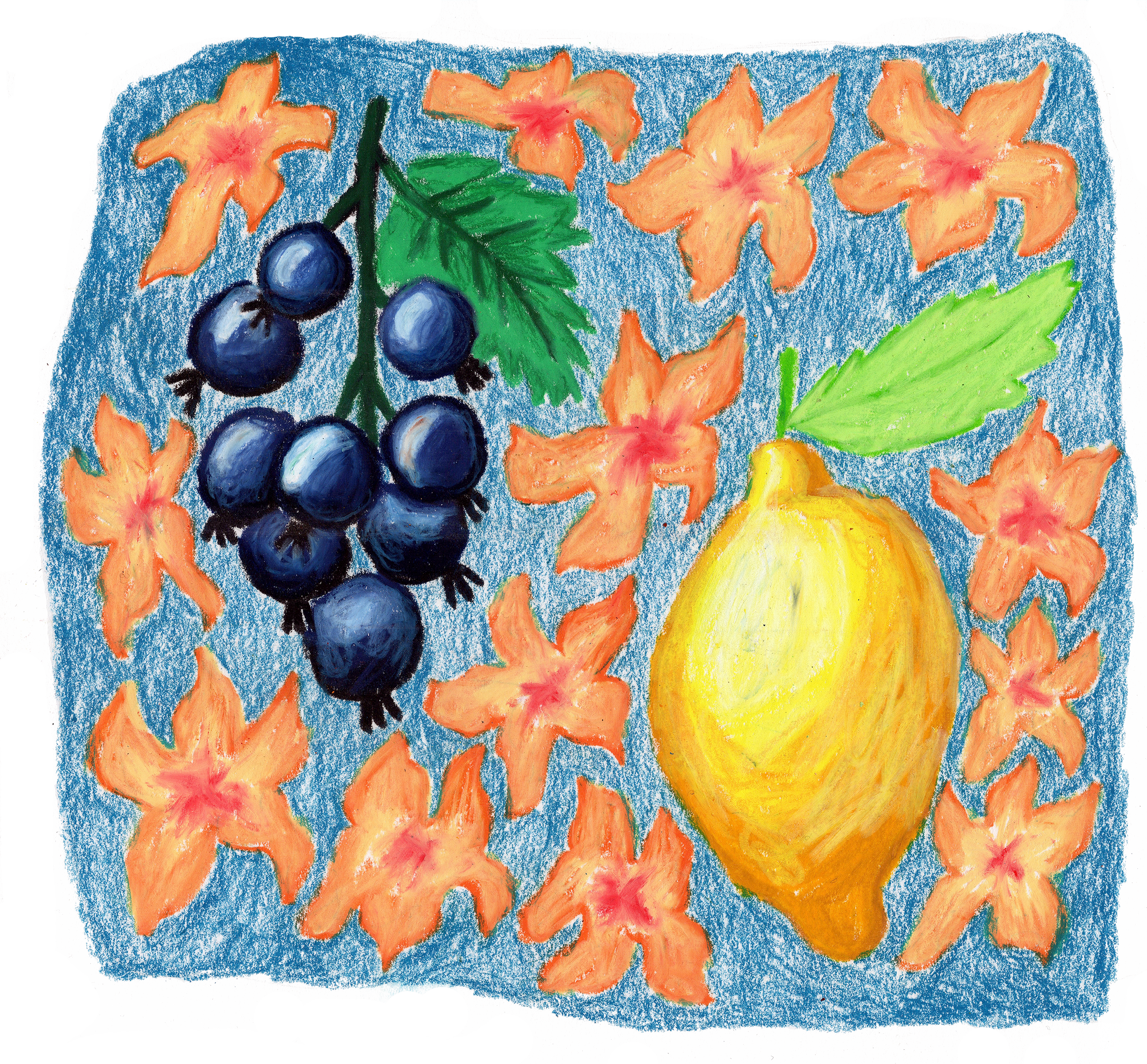
BlackcurrantVanillaLemons
Process Washed
Variety Batian, Ruiru 11, SL-28
Altitude 1600 - 2000 MASL

Wet Mill - Kamwangi Origin - Kenya Process - Fully Washed Varietal - Batian, Ruiru 11, SL-28 Altitude - 1600 - 2000 MASL Flavour Notes - Blackcurrant, Vanilla, Lemons roast level: Ultra Light FARM This AA-grade, fully washed coffee comes from Kamwangi Coffee Factory, one of three processing stations operated by the New Ngariama Farmers Cooperative Society (FCS) in Kirinyaga County, within Kenya’s central highlands. The cooperative works with approximately 1,500 local farmers who cultivate Ruiru 11, SL28 and Batian at elevations reaching 1,800 metres above sea level. Located in the Nyangeni sub-location of Ngariama, in the northeastern part of Kirinyaga County, Kamwangi was the cooperative’s second factory to be established, following Kainamui. As production volumes increased, the cooperative opened its third facility, Kiamugumo, to support the growing demand placed on both Kamwangi and Kainamui. Kamwangi has consistently produced outstanding Kenyan coffees over recent seasons, reflecting the dedication, expertise and careful work of the farming community and factory team. Their shared commitment to quality helps showcase the distinctive character of coffees grown in this celebrated region. PROCESS The coffee is hand-sorted by farmers before processing, with unripe and overripe cherries removed to ensure that only suitable fruit enters production. Following sorting, the cherries are pulped to remove the outer skin, and the coffee is fermented under shaded conditions for 24–36 hours, with the duration adjusted according to ambient temperatures and weather. Once fermentation is complete, the coffee is thoroughly washed and graded by density through washing channels. This stage separates the beans according to their density, helping maintain consistency and quality throughout the lot. The parchment coffee is then transferred to raised African drying beds, where it is sun-dried for approximately 12–20 days, depending on prevailing weather conditions. During this period, the coffee is carefully monitored, while plastic coverings are used at midday and overnight to protect the beans from excessive moisture and rainfall. This considered approach to processing and drying helps preserve the coffee’s quality and contributes to the clean, vibrant characteristics associated with carefully prepared Kenyan coffees.

£14.00 / 200g£7.00/100g