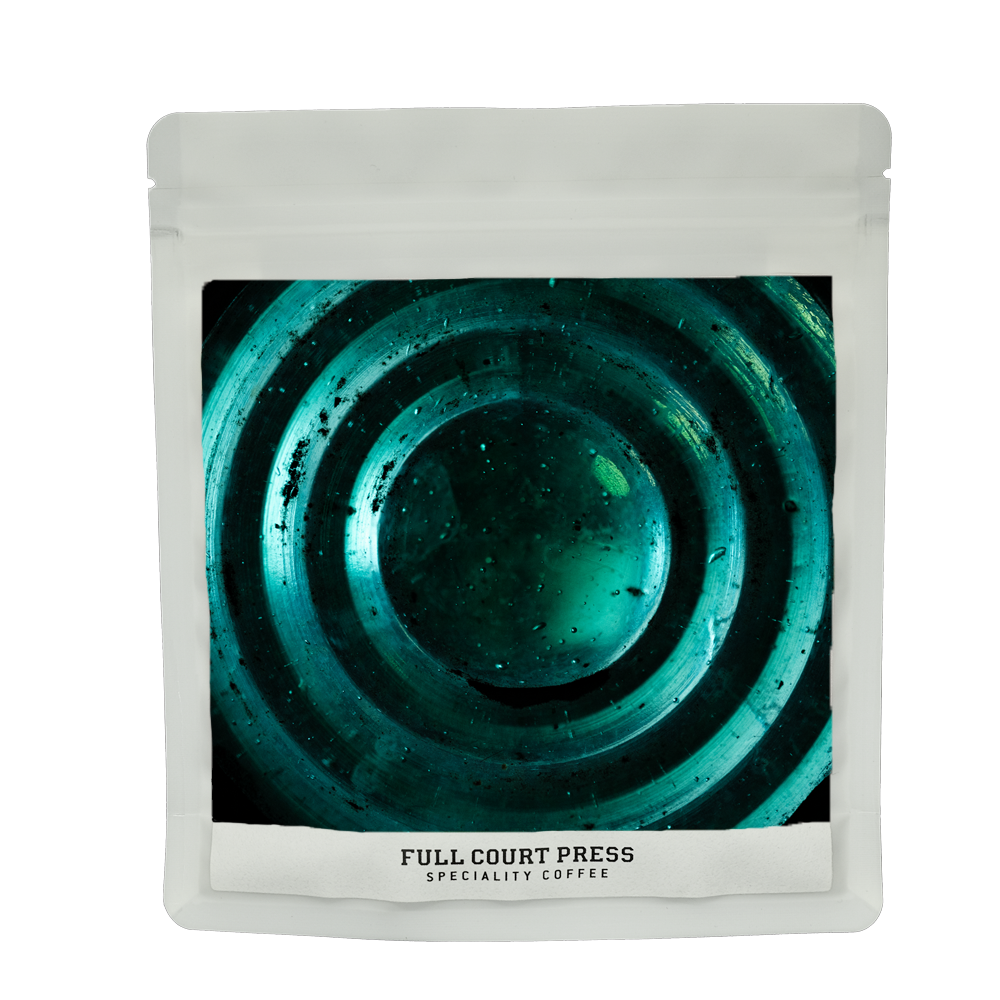
An anaerobic natural Indonesian coffee from the Ijen Highlands, produced by Kevin and Kenny Soewondo with blackberry, whiskey, and orange notes.
Coffee Origin
Compare 5 current Indonesia specialty coffees from independent UK roasters by process, tasting notes and price.
Sorted with featured coffees first.
Showing 5 of 5 coffees

An anaerobic natural Indonesian coffee from the Ijen Highlands, produced by Kevin and Kenny Soewondo with blackberry, whiskey, and orange notes.

An anoxic honey processed Indonesian filter roast with cola sweetness, wine gum fruit, and soft spice.

Producer - JB Coffee Origin - Indonesia Process - Washed Anaerobic Varietal - Typica, Kartika, Line S Flavour Notes - vibrant, intense, palm violets, fist full of Gummies Best for: Filter + Espresso roast level: Very Light FARM Nestled on the volcanic slopes of Mount Prau in Central Java, this nano lot reflects JB Coffee’s focus on terroir and precision processing. The region’s cool mountain climate, fertile volcanic soils, and significant day-to-night temperature shifts create ideal conditions for slow cherry maturation. This extended ripening period encourages the gradual development of sugars and organic acids, contributing to vibrant fruit character, refined acidity, and delicate sweetness. Best of Prau (B.O.P.) is not a single-farm lot, but a carefully selected nano lot made from the finest harvests of JB Coffee’s partner farmers around Mount Prau. Cherries are hand-selected at peak ripeness, followed by density sorting and flotation to ensure a consistent starting point for fermentation. PROCESS The coffee undergoes JB Coffee’s double-stage washed fermentation protocol using a triple brewer’s yeast culture. The first stage is a controlled whole-cherry fermentation, where three complementary yeast strains are introduced in calibrated ratios. This encourages sugar metabolism and the development of aromatic precursors while maintaining precise control over microbial activity. After depulping, the parchment enters a second submerged wet fermentation, with temperature, pH, and fermentation time closely monitored. This stage further refines acidity and sweetness while preserving the delicate characteristics of the Mount Prau terroir.

Producer: JB Coffee Origin - Indonesia Process - Natural Varietal - Kartika, Lini S, Ateng Super Flavour Notes - grape juice, violets, red currants, chocolate Best for: Filter + Espresso roast level: Very Light Farm & Origin This lot comes from the area surrounding Mount Prau, one of Central Java’s newly recognised coffee-growing landscapes. Compared with nearby Sindoro, Prau tends to produce coffees with a more lifted and structured acidity, often expressed through floral, herbal, and citrus-driven characteristics.The farms are spread across rolling mountain terrain, where cooler temperatures encourage slower cherry maturation and extended flavour development. These conditions allow sugars, organic acids, and aromatic compounds to develop gradually, contributing to the clarity and structure commonly found in coffees from the region. Processing & Drying Prau Hybrid Washed was developed to sit between a classical washed coffee and a more fermentation-driven style. The goal is to retain the clarity and cleanliness of a washed coffee while adding greater aromatic complexity and structured acidity.Processing begins with selective harvesting, followed by density sorting and flotation to ensure only high-quality cherries enter fermentation. The whole cherries then undergo a short, controlled pre-fermentation stage, designed to initiate enzymatic activity and develop aromatic precursors while limiting excessive fermentation influence. The cherries are subsequently depulped and transferred into a second controlled fermentation stage. During this phase, environmental variables are carefully managed to encourage clean ester formation and balanced organic acid development. The focus is on building complexity while maintaining a clear and transparent cup profile. Following fermentation, the coffee is fully washed to remove remaining mucilage before being transferred to raised drying beds. Slow drying allows moisture to migrate evenly through the parchment, supporting stability and helping preserve cup clarity over time.

Grown in the volcanic hills above Bajawa on the Indonesian island of Flores, this washed S795 comes from the Nola Wonga farmers’ group. Cherries are hand-picked and pulped within a day of harvest, then dried on raised beds for up to ten days to build a clean, rounded cup. When cheaper short-term crops like cabbage and mustard greens began replacing coffee across Bajawa, Felix Soba stepped in. Since founding the Nola Wonga farmers’ group in 2014, he’s supported growers with seedlings, funding, and training, encouraging coffee to grow alongside other crops rather than instead of them.
These links switch to another browse view. The matching coffees for this page are shown above.